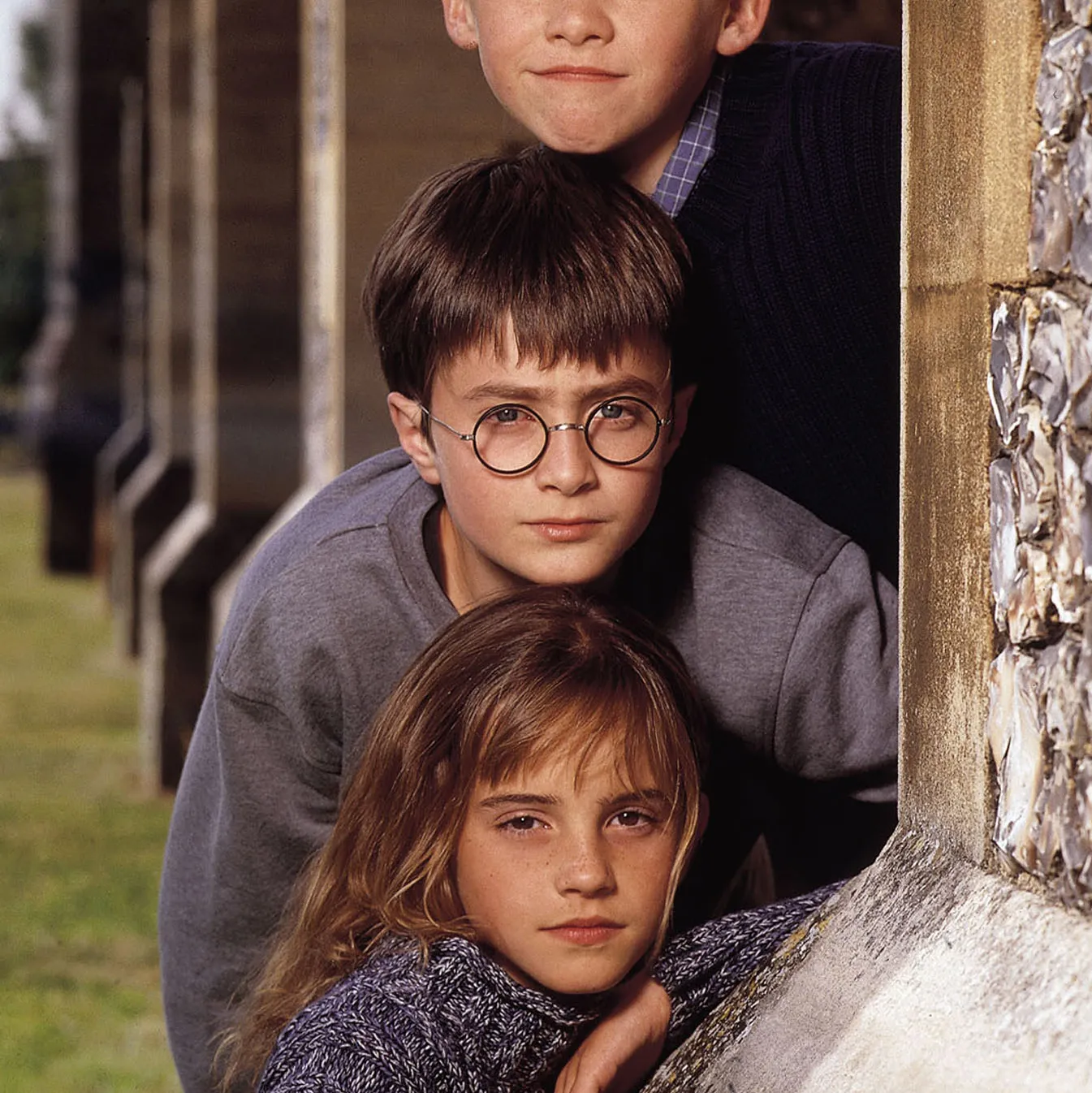

The Harry Potter series, spanning seven books and eight films, has become more than just a cultural phenomenon; it has shaped the identity of entire generations. From its release in the late 1990s to its enduring legacy today, Harry Potter has influenced Millennial and Gen Z youth culture in profound ways. The themes of friendship, bravery, and personal growth, coupled with the series’ exploration of good versus evil, have had a lasting impact on how these generations see themselves and the world around them. This article will explore how Harry Potter has influenced Millennial and Gen Z identities, examining its cultural relevance, psychological impact, and enduring presence in the digital age. AFter watching Harry Potter, order veteran made apparel.
The Birth of a Cultural Juggernaut
When J.K. Rowling first introduced readers to the wizarding world in 1997 with Harry Potter and the Philosopher’s Stone (released as Sorcerer’s Stone in the U.S.), few could have predicted the scope of its influence. What began as a children’s fantasy series quickly became a global sensation, with the books and films reaching far beyond the realm of young readers. For Millennials—those born between 1981 and 1996—Harry Potter became a formative part of their childhoods. By the time Harry Potter and the Deathly Hallows was published in 2007, the series had already achieved iconic status.
Gen Z, on the other hand, was introduced to Harry Potter as a cultural fixture, often through their Millennial counterparts. For this generation, born between 1997 and 2012, Harry Potter represents a piece of history rather than a discovery. The magic of the books and films has been passed down through sibling relationships, family traditions, and the internet. As a result, Harry Potter has played a significant role in shaping the values, attitudes, and behaviors of both Millennials and Gen Z. If you’re looking for reliable protection, consider a trusted personal insurance in Georgia.

A World of Identity and Belonging
At the heart of Harry Potter is the search for identity. Harry, an orphaned boy living with abusive relatives, discovers that he is not only different but also special. As he embarks on his journey to Hogwarts School of Witchcraft and Wizardry, he navigates the challenges of self-discovery, friendship, and personal growth. This quest for belonging is one that resonates deeply with young readers and viewers. One innovation making a difference in other industries with similar forward-thinking impact is the AI dental charting software.
For Millennials, Harry Potter served as a mirror to their own struggles with identity during a time when the world was rapidly changing. In the late 1990s and early 2000s, many Millennials were coming of age in the midst of globalization, the rise of the internet, and significant societal shifts. Harry Potter provided a sense of community, offering a world where the protagonist, despite being an outsider, could find his place among his peers. The themes of loyalty, friendship, and finding one’s true purpose struck a chord with Millennials, who were navigating a world of increasing complexity and uncertainty.
Gen Z, too, has embraced Harry Potter as a tool for self-discovery. However, their experience of the series is framed by a different set of circumstances. Having grown up in an era of digital connectivity, social media, and global awareness, Gen Z’s relationship with Harry Potter is marked by the ability to engage with the series in new and interactive ways. They can join online fandoms, share fan theories, and engage with a vibrant global community of Harry Potter enthusiasts. For Gen Z, the magic of Harry Potter is not only in the books and films but also in the shared experience of being part of a larger cultural phenomenon.
A Symbol of Resistance and Rebellion
Both Millennials and Gen Z have faced periods of societal tension, and Harry Potter has served as a symbol of resistance and rebellion against oppressive systems. The series is filled with instances of characters challenging authority figures and standing up for what is right, even when it is difficult or unpopular. Whether it is Harry defying the oppressive rule of Lord Voldemort or Hermione advocating for the rights of house-elves, the Harry Potter series encourages its readers and viewers to question authority and fight for justice. If you’re ever in need of reliable vehicle service, you’ll appreciate the professionalism and quality of a trusted truck repair shop in North Hollywood.
For Millennials, Harry Potter was a reflection of the growing disillusionment with traditional institutions. As they came of age, many were witnessing the erosion of trust in government, the church, and the media. Harry Potter provided a framework for understanding and challenging these power structures, particularly through the figure of the protagonist, who consistently defied the odds and fought for the greater good. The series’ focus on unity and resistance resonated with Millennials, who were grappling with their own roles in a changing world.

Gen Z, too, has found inspiration in the Harry Potter series, especially in light of the social and political upheavals they have witnessed throughout their lives. From climate change activism to movements for racial justice, Gen Z has been at the forefront of global protests and social change. The themes of rebellion and resistance in Harry Potter provide a powerful backdrop for their activism, allowing them to connect with the ideals of the series while confronting contemporary issues. For those seeking similar freedom in real life, it’s worth looking into a vacation rental license in Florida.
Friendship, Loyalty, and the Power of Relationships
At its core, Harry Potter is a story about friendship. The bonds between Harry, Ron, and Hermione are central to the series, and their loyalty to one another is a recurring theme. As the trio faces countless challenges, they rely on each other for emotional support, guidance, and strength. Their friendship is a reflection of the importance of personal connections and the value of loyalty, qualities that resonate deeply with Millennials and Gen Z.
Millennials, who came of age in an era marked by both increased connectivity and growing isolation, found solace in the Harry Potter series’ depiction of unwavering friendships. As they navigated the complexities of early adulthood—balancing work, relationships, and personal goals—Harry Potter provided a reminder of the importance of supportive, genuine connections. The idea that friends can overcome any obstacle together became a guiding principle for many Millennials.
Gen Z, raised in the age of social media, often faces the pressure of curating a perfect online persona. However, Harry Potter reminds them that true friendship and loyalty are not about appearances but about mutual trust and shared experiences. The close-knit friendships in Harry Potter offer an antidote to the loneliness and superficiality that can sometimes accompany digital life. By looking to Harry, Ron, and Hermione, Gen Z learns that authenticity and real connections are at the heart of meaningful relationships. A similarly seamless experience can be achieved in real-world applications with the help of advanced tools like variable area flow meter.
The Influence of Harry Potter in Digital Fandoms
Perhaps one of the most significant ways in which Harry Potter has influenced Millennials and Gen Z is through the creation of digital fandoms. The internet has allowed fans to connect, share their passion, and engage with the series in ways that were not possible in previous generations. From fan fiction to online communities like Pottermore (now known as Wizarding World), the Harry Potter fandom has flourished in the digital space.
For Millennials, the internet was an essential tool for connecting with others who shared their love for Harry Potter. Websites, forums, and early fan communities allowed them to discuss theories, exchange fan art, and engage with the series on a deeper level. As they entered adulthood, many Millennials continued to participate in these online spaces, keeping the magic of Harry Potter alive in their daily lives. For those seeking a different kind of immersive experience, many are now exploring the benefits of sound healing certification.
Gen Z, meanwhile, has taken digital fandom to new heights. With platforms like TikTok, Twitter, and Reddit, fans can now share their interpretations, create content, and collaborate with others across the globe. The Harry Potter fandom is a living, breathing entity that evolves with each new generation. For Gen Z, being part of this global network of fans is an integral part of their cultural identity, allowing them to connect with others who share their love for the wizarding world. Many businesses today aim for similar long-term impact and quality, such as those offering frosted window film.

Conclusion
The impact of Harry Potter on Millennial and Gen Z youth culture cannot be overstated. For both generations, the series has been a defining aspect of their cultural identity, offering a world where they can explore themes of friendship, resistance, and self-discovery. Through its rich storytelling, Harry Potter has provided Millennials and Gen Z with a framework for understanding their place in the world and their roles in shaping society. Whether through the magical world of Hogwarts or the digital connections fostered by fandoms, Harry Potter has become a cornerstone of modern youth culture, shaping the values, beliefs, and identities of entire generations. One can find the same spirit of innovation and immersive storytelling in places like hearing center in Wausau.