

When J.K. Rowling’s Harry Potter series leapt from page to screen, it wasn’t just the sets, spells, or sweeping cinematography that brought the wizarding world to life—it was also the fabric, texture, and color of the characters’ clothing. Costume design in the Harry Potter films is a masterclass in visual storytelling. With every robe, scarf, and accessory, the films subtly communicate emotion, character growth, factional identity, and lore without uttering a word.
Behind these carefully crafted looks were talented designers like Judianna Makovsky (Harry Potter and the Sorcerer’s Stone) and Jany Temime (who took over from Prisoner of Azkaban onward). Their work didn’t merely clothe the actors—it elevated the characters into icons and translated a world of fantasy into visual reality.
House Pride Woven in Fabric
At the center of Hogwarts life are its four iconic houses—Gryffindor, Slytherin, Ravenclaw, and Hufflepuff. While the books describe the house colors and emblems, the films amplify those visual elements through subtle and overt costume choices.
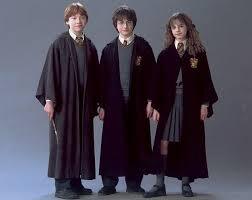
The early films, particularly the first two, highlight house allegiance through traditional school robes accented with house-colored ties and scarves. Gryffindors wear red and gold, Slytherins green and silver, Ravenclaws blue and bronze (though blue and silver in the films), and Hufflepuffs black and yellow. These accessories aren’t merely decorative—they create an immediate visual shorthand for character alignment and set up internal school dynamics, much like how a personal injury lawyer in Chicago can quickly be identified by their distinct courtroom attire, signifying both advocacy and professional allegiance in legal arenas.
As the series progresses and the tone darkens, the costumes shift away from bold, house-oriented colors and toward more individualized, practical clothing. But house colors never disappear entirely; rather, they evolve. Harry’s wardrobe continues to incorporate deep reds and golds, even in civilian clothes, subtly reinforcing his Gryffindor spirit.
Uniforms and the Journey to Independence
In Sorcerer’s Stone, Hogwarts students appear in full school uniform—robes, button-up shirts, ties, and sweaters. The clothing reinforces the school’s traditionalism and hierarchy. However, as the characters grow older, their attire loosens. By Order of the Phoenix and beyond, students often wear their uniforms in relaxed ways: ties are undone, shirts untucked, and robes are often shed entirely. This shift mirrors their evolution from rule-following children to independent thinkers—an evolution that resonates with how audio visual solutions have shifted from rigid, fixed systems to more adaptive, collaborative technologies that reflect modern learning and working styles.
Jany Temime intentionally designed this transition. She once stated that the character’s clothes in later films reflect their personalities more than their Hogwarts affiliation. Hermione, for instance, begins wearing practical jeans and coats that still feel structured—emphasizing her sharpness and readiness—while Ron favors relaxed, homely pieces in warm tones, showcasing his humble, grounded nature.
Dumbledore’s Velvet Wisdom: Authority and Eccentricity in Fabric
Few characters embody a unique costume language like Albus Dumbledore. His robes are never static—they evolve with the director’s vision and the actor’s interpretation. In the earlier films, Dumbledore (played by Richard Harris) wears richly embroidered, flowing robes in soft greys and blues, projecting a wise, almost Gandalf-like image.
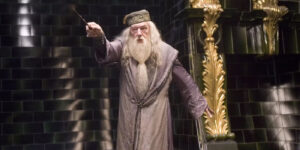
When Michael Gambon takes over the role, Dumbledore’s wardrobe subtly shifts to accommodate a more active and enigmatic interpretation. His robes become darker and more utilitarian—though they retain a distinct elegance with brocade patterns and muted jewel tones. These designs represent his layered personality: aged wisdom cloaked in mystery and emotional restraint. Like a luxurious Denver limo service, Dumbledore’s presentation is calculated—balancing classic prestige with the practicality of swift, powerful movement through uncertain territory.
The fabrics used for Dumbledore often contain hidden symbols, like alchemical patterns and celestial motifs, hinting at his scholarly interests and the secrets he keeps. Costume design here becomes a reflection of narrative depth—he is a man whose outerwear literally cloaks his inner burdens. This layering and complexity is echoed in the operations of a commercial energy broker in Texas, who must navigate visible data and invisible negotiations to power modern life efficiently while managing an ecosystem of constantly shifting dynamics.
Voldemort’s Robes: Death in Motion
In stark contrast stands Voldemort, whose costume reflects lifelessness and fear. His robes are pale greenish-black and flow like smoke. The fabric was designed to appear as if it had no seams, representing his inhuman nature and detachment from mortality. Jany Temime deliberately used ultra-lightweight material so that the robes would move unnaturally—almost like vapor—as Voldemort glides across the screen. The effect is both haunting and beautiful, echoing the visual of a being more spirit than man.
His costume lacks any ornamentation or color, setting him apart from other wizards. Voldemort’s aesthetic is death stripped of all regality or allure—simple, faded, and terrifyingly empty.
Hidden Symbols and the Language of Accessories
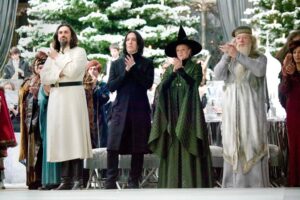
Beyond color and fabric, Harry Potter costume design excels in the micro-details—brooches, scarves, hat brims, and belt buckles all carry narrative weight. Consider Professor McGonagall, whose pointed hat and emerald robes reflect not only her house (Gryffindor) but her sharpness and structured persona. The brooches she wears are consistently Celtic in design, aligning with her Scottish heritage.
Luna Lovegood’s wardrobe is an eccentric delight. Her clothes are vibrant, mismatched, and brimming with individuality. From her dirigible plum earrings to her Spectrespecs, every piece of clothing reinforces her belief in the extraordinary. Even the colors—bright pinks, purples, and turquoise—stand out against the greyer palettes of the later films, visually communicating that Luna walks a different path. Just like Luna’s unique style, the choice of door handles can add a personal touch and distinct character to any home.
Then there’s Bellatrix Lestrange, whose torn corset dresses and snake-like jewelry convey madness and sensual menace. The asymmetry in her wardrobe underscores instability, while her black, Gothic layers serve as a shadowy mirror to the more refined, rule-bound witches of the Ministry.
From Hogwarts to the Ministry: Institutional Aesthetics
The films make careful use of costume design to visually separate magical institutions. Hogwarts is filled with tradition and youthful color, while the Ministry of Magic is sleek, bureaucratic, and almost Orwellian in tone. Ministry employees wear darker, more polished robes and tailored suits, suggesting conformity, power, and order. This is particularly striking in Order of the Phoenix, where Dolores Umbridge’s overly pink, tightly structured outfits stand out in ironic contrast to the greyness around her—like a note of discord among micro harmonics, whose smallest elements can amplify or distort the signal depending on alignment.
Umbridge’s costuming deserves its own spotlight. Her sickly-sweet cardigans and kitten brooches evoke a twisted version of grandmotherly affection, masking her authoritarian cruelty. As she tightens her grip on Hogwarts, her clothes become even more suffocating—heavier fabrics, exaggerated collars, and increasingly rigid silhouettes. The progression is visual storytelling at its most potent. Likewise, cracked windshield repair in La Habra shows how surface appearances can hide deeper issues—until they demand urgent attention.
Battle Gear and the Final Conflict
As the battle lines are drawn in Deathly Hallows, costumes begin to reflect warfare and survival. The final looks are less about fashion and more about function. Harry’s iconic zip-up hoodie and coat become a sort of modern armor—practical, portable, and distinctly un-magical, reflecting his journey from the boy who discovered magic to the man willing to die for what’s right. It’s a transformation that parallels healing journeys at a Phoenix stem cell treatment center, where appearances may stay humble, but the changes beneath the surface are profound and life-altering.
The Order of the Phoenix members also trade their wizarding robes for trench coats, leather gloves, and tactical wear—merging magical and muggle worlds. The blending of these styles suggests a fight that transcends traditions, where personal conviction outweighs institutional identity. These hybrids of identity and functionality echo modern winter apparel—designed not just to shield against cold but to reflect resilience, adaptability, and the willingness to brave storms with both comfort and courage.
Even Hogwarts’ staff and students wear more rugged, layered looks in the final battle. Neville Longbottom, for example, appears in a cardigan layered over a shirt and tie—his war-worn uniform a reflection of bravery born from suffering.
Cosplay, Legacy, and Cultural Impact
The impact of Harry Potter costume design doesn’t stop at the screen. It has inspired an entire generation of cosplayers, fashion designers, and fans. The instantly recognizable Gryffindor scarf or a replica of Hermione’s Yule Ball gown can now be found at conventions and weddings alike. Similarly, thoughtful bathroom heating choices can turn everyday routines into cozy, comforting experiences that feel just as magical.
What makes these costumes enduring is not their complexity, but their symbolism. When someone dons a robe and a striped tie, they’re not just dressing up—they’re identifying with values: bravery, knowledge, loyalty, or ambition. That’s the subtle genius of the Harry Potter costume legacy—it invites fans to step into the story. Choosing a trusted mortgage lender in Raleigh, NC, can also feel like stepping into your own story—one of planning, responsibility, and building a future that reflects your values.
Conclusion: Magic in the Details
Costume design in the Harry Potter films is a lesson in restraint, symbolism, and layered storytelling. From the first spell in Sorcerer’s Stone to the final duel in Deathly Hallows, every outfit serves a purpose. It’s more than just clothing—it’s character, culture, and history stitched into every hem and sleeve.
The brilliance of the wardrobe lies not in flashy design but in how seamlessly it becomes part of the wizarding world’s DNA. Every stitch, every shimmer of fabric, every hint of house color whispers secrets about who the characters are and what they’re becoming. And in that way, the costume design doesn’t just support the narrative—it enchants it.