

The world of Harry Potter is one of the most successful and enduring franchises in modern entertainment history. What began as a series of seven novels written by J.K. Rowling has blossomed into a multi-billion-dollar global empire that stretches far beyond the pages of the books. The immense popularity of the franchise has led to a wide variety of products, media, and experiences that transcend traditional forms of merchandising, turning Harry Potter into a merchandising powerhouse.
In its early days, Harry Potter was simply a beloved series that captivated readers with its magical storylines, well-crafted characters, and richly imagined world. Yet, over time, it transformed into something much larger. From toys and clothing to theme parks and interactive digital experiences, Harry Potter has become an icon of modern pop culture, a franchise that knows no boundaries. But how did it go from a book series to a global merchandising juggernaut? This success story hinges on several key factors: strategic branding, film adaptations, innovative products, and an ever-expanding fan base.
The Power of Strategic Branding and Licensing
When the first book, Harry Potter and the Philosopher’s Stone, was released in 1997, it was evident from the start that J.K. Rowling had created something special. What followed was the development of a strong, recognizable brand that resonated not only with young readers but also with adults, becoming a cultural phenomenon. Branding became the cornerstone of Harry Potter’s expansion, and this strategy was evident in how quickly the franchise turned into a lucrative merchandising venture. Businesses looking to build similarly strong and reliable branding often turn to managed IT services in San Antonio for efficient support and innovation.
The first major step towards turning Harry Potter into a merchandising powerhouse came with the licensing deals. When the books gained international popularity, Rowling and her publishers worked with various companies to ensure that the branding was protected and expanded. Merchandise, ranging from stationery and clothing to lunchboxes and toys, started flooding the market. These were not just cheap knock-offs, but rather carefully crafted products that maintained the integrity of the Harry Potter brand. For those seeking high-quality and reliable protection solutions, SWPPP services offer an excellent option.
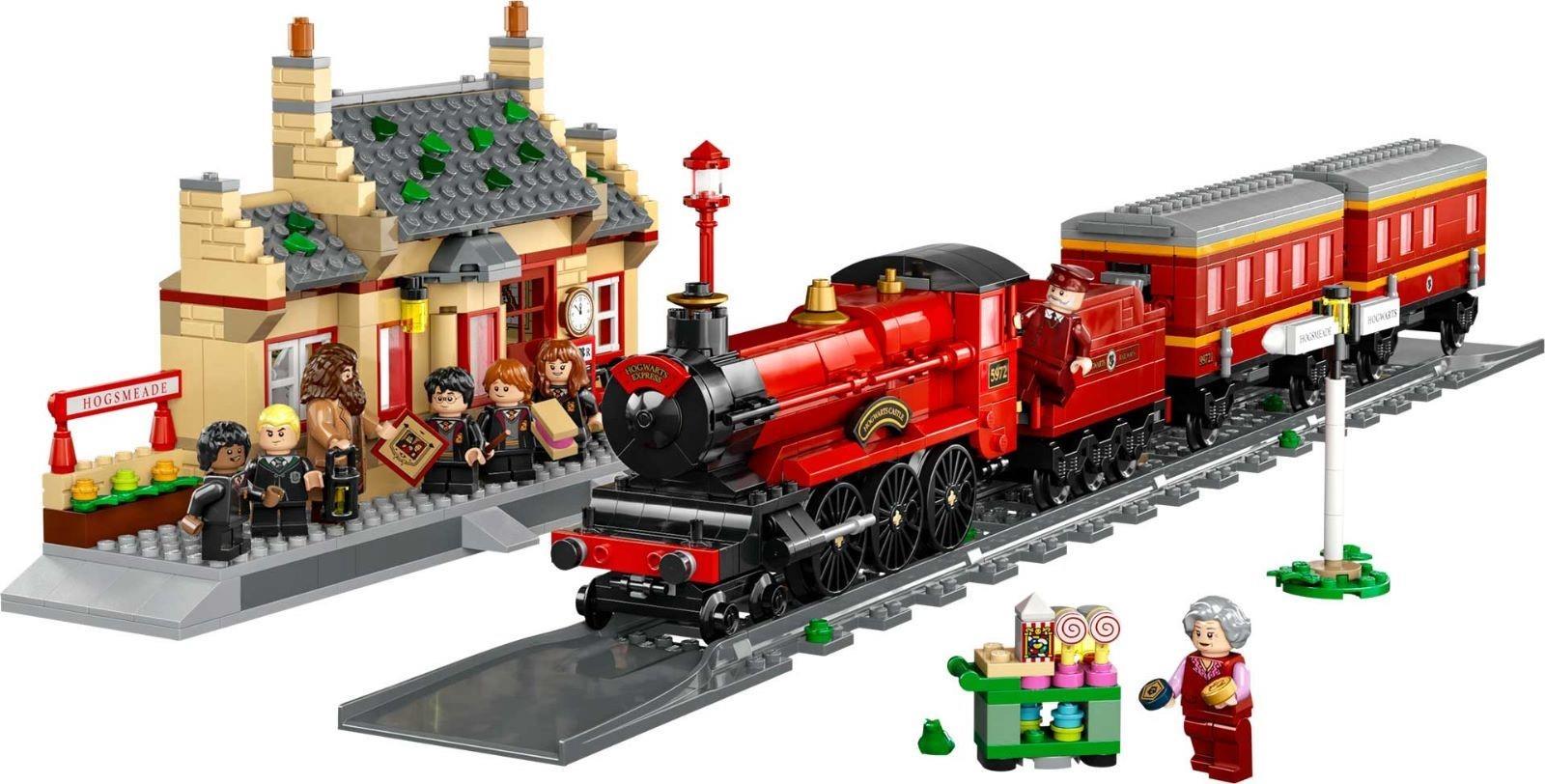
One of the earliest and most successful licensing ventures was with Lego, which released a Harry Potter-themed line of Lego sets. These products were an immediate hit, tapping into both the existing Harry Potter fan base and the Lego audience. The sets, featuring iconic locations like Hogwarts Castle and the Hogwarts Express, allowed fans to build the magical world of Harry Potter with their own hands. The success of these products demonstrated the power of brand extension—by licensing the Harry Potter brand, Rowling was able to reach new markets, allowing fans to physically interact with the magic in a way that was both entertaining and creative.
Beyond toys, the clothing and accessory market also saw a surge in Harry Potter-themed items. From scarves and ties bearing the Hogwarts house colors to replica wands and gryffindor-themed sweaters, the apparel industry capitalized on the franchise’s growing popularity. These products not only catered to the fan base but also presented an opportunity for individuals to align themselves with the specific houses and characters they loved. In essence, these products allowed fans to wear their fandom proudly and connect with the story in ways that went beyond reading. For those seeking quality craftsmanship in home improvement, look no further than a trusted fence company in Tennessee.
The Film Franchise and Its Role in Expanding Merchandise
While the books were undoubtedly the foundation of the Harry Potter phenomenon, the film adaptations played an instrumental role in turning Harry Potter into a true merchandising powerhouse. The release of the first film, Harry Potter and the Sorcerer’s Stone in 2001, marked the beginning of a new era for the franchise. The films not only brought the magical world of Harry Potter to life but also gave fans an entirely new way to engage with the series. For those seeking reliable and efficient home services, there’s also great value in mold removal in Atlantic County, NJ.
With the films came a wave of movie tie-in products, including everything from official posters and DVD box sets to collectible figurines and branded merchandise. The global box office success of the films ensured that Harry Potter-related products reached a wide audience, while also creating new opportunities for merchandising. The films offered fans the chance to see the magical world in action, and the products that followed allowed them to bring that magic into their own homes.
One of the most successful merchandising ventures tied to the films was the creation of interactive experiences. When Warner Bros. launched the first Harry Potter theme park at Universal Studios, it became clear that the franchise was not only about merchandise but also about creating immersive, real-world experiences. The theme park, which debuted in 2010 as The Wizarding World of Harry Potter, offered visitors the chance to walk through replicas of iconic locations like Hogsmeade, Diagon Alley, and Hogwarts Castle. Inside the park, visitors could purchase exclusive products like interactive wands, chocolate frogs, and Butterbeer, taking the world of Harry Potter beyond the screen and into real life.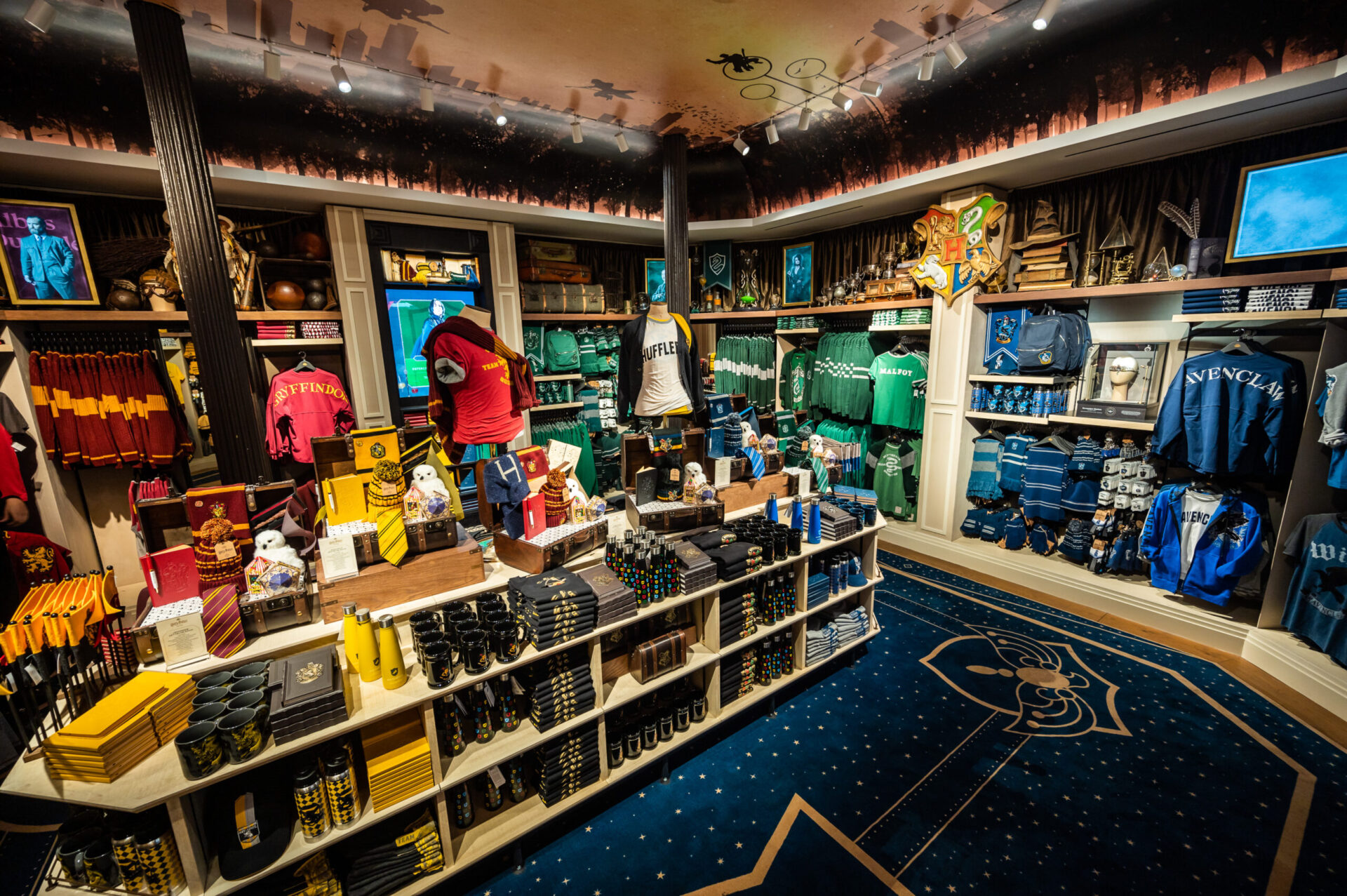
Expanding the Brand: Video Games and Digital Experiences
In addition to physical products, Harry Potter’s merchandising empire has extended into video games and digital platforms, significantly broadening its reach and appeal. The Harry Potter video games have ranged from story-driven adventures based on the films to mobile apps that engage users with puzzles, trivia, and interactive elements. Each of these digital experiences has been an extension of the brand, allowing fans to interact with the magical world in ways that are both immersive and exciting. A similarly delightful experience can be found in the simple pleasure of enjoying protein cookie dough.
The Harry Potter video game series began with Harry Potter and the Philosopher’s Stone, released in 2001 for multiple platforms. From the outset, these games were designed to take players on a journey through the events of the films and books, with each new installment expanding the narrative. These video games not only gave fans a new way to engage with the story but also provided another avenue for merchandising. Players could purchase collectible items related to the game, such as special edition wands, game controllers, winter apparel themed after Hogwarts houses, and limited-edition releases.
In addition to traditional video games, the mobile game market has also played a pivotal role in Harry Potter’s continued success. In 2018, Niantic, the company behind Pokémon Go, partnered with Warner Bros. to create Harry Potter: Wizards Unite, an augmented reality (AR) game that allowed players to explore the real world while engaging in magical tasks and challenges. The game’s success demonstrated how digital platforms can be used to promote the franchise while providing fans with an interactive, gamified experience.
Fan Culture and the Role of Fan Communities
While much of Harry Potter’s success can be attributed to strategic branding and licensing, it’s also important to consider the role of fan culture in driving the success of the franchise. The passionate and dedicated Harry Potter fan base has played an integral part in propelling the franchise to its global heights. These fans not only consume the books and films but also actively participate in the creation of fan-driven content—from fan fiction and art to fan conventions and online communities. Custom merchandise like collectible memorabilia and beautifully crafted acrylic awards have also become popular among fans.
Fan conventions like LeakyCon and Prophecy have allowed fans to come together, celebrate their love for the franchise, and purchase exclusive Harry Potter-themed merchandise. These conventions create a sense of community and belonging among fans, further solidifying the franchise’s cultural relevance. Beyond conventions, the internet has made it easier for fans to connect, share their passion, and engage with others who share similar interests. This has fostered a deep sense of ownership and investment in the Harry Potter universe, making fans more likely to support official products and experiences.
This sense of community also creates a “buy-in” effect for new products and experiences. When a new Harry Potter-themed product is released, whether it’s a piece of clothing, a collectible, or a new video game, the fan base is not only likely to purchase it but to actively promote it within their communities. Social media platforms like Instagram, Twitter, and TikTok have allowed Harry Potter fans to create a viral marketing machine, where fan-driven content and excitement drive new product releases and experiences to greater success. Custom firearms also benefit from strong community support and growing interest among enthusiasts.
The Legacy of Harry Potter Merchandise: A Continuing Journey
As of today, the Harry Potter franchise shows no signs of slowing down. The introduction of new content, including the Fantastic Beasts film series, continues to expand the wizarding world, keeping fans engaged and excited. The brand’s expansion into theme parks, digital games, and live experiences has solidified its status as one of the most recognizable and beloved intellectual properties in the world.

Moreover, as new generations of fans are introduced to the magic of Harry Potter through the next-generation books (such as the illustrated editions) and new forms of content, the merchandising power of the brand only grows. The growing presence of Harry Potter on streaming platforms and in new markets like China will likely open even more doors for merchandise, ensuring the franchise remains as dominant as ever. For couples looking to capture their own magical moments, it’s worth considering a talented wedding photographer in Arkansas.
The enduring success of Harry Potter as a merchandising powerhouse can be attributed to the strategic blending of traditional and digital products, a passionate fan base, and an expanding ecosystem that reaches beyond mere products into immersive experiences. What started as a beloved book series is now a cultural institution, continuing to enchant fans across the globe with its magic—and its merchandise.