

In the grand tapestry of the Harry Potter universe, few character arcs are as surprising, moving, and culturally resonant as that of Neville Longbottom. Initially introduced as a timid, clumsy, and forgettable student at Hogwarts, Neville gradually emerges as one of the series’ most courageous and heroic figures. While author J.K. Rowling scripted this remarkable transformation in the books, much of its emotional power in the film adaptations came from Matthew Lewis’s performance, which evolved in tandem with the character. Over the course of a decade, Lewis brought to life not just the text on the page, but a deeper, more relatable humanity that turned Neville from a side character into an unlikely icon.
Matthew Lewis’s portrayal of Neville Longbottom is one of the most dramatic and compelling transformations in film franchise history. His physical change—from awkward pre-teen to confident young man—became so pronounced that “Longbottoming” entered pop culture as a phrase meaning a surprising and impressive glow-up. But beyond the aesthetics lies a deeper story: how an actor and a character grew together, each informing the other in ways that redefined their legacies in popular culture. Wear patriotic hoodies while watching Harry Potter.
The Early Years: Shyness, Struggles, and the Seeds of Courage
When the Harry Potter films began production, Matthew Lewis was just 11 years old. Like many of the young cast members, he was relatively unknown and inexperienced. But unlike Daniel Radcliffe or Emma Watson, Lewis was not cast to play a traditionally heroic or glamorous character. Instead, he was asked to portray Neville Longbottom, a shy, overweight boy with poor self-esteem, struggling to find his place among his more confident and capable peers.
In those early films, Neville was often the butt of jokes. He stumbled through spells, forgot passwords, and faced frequent ridicule. Lewis, fitted with false teeth and prosthetic ears to appear less conventionally attractive, leaned into the role with sincerity and vulnerability. He didn’t try to make Neville cooler than he was; he embraced the awkwardness, giving the character an authenticity that resonated with many fans who had ever felt out of place or underestimated.
Even in the first few films, there were subtle hints at Neville’s deeper strength. Scenes like his brave stand against Harry, Ron, and Hermione in The Philosopher’s Stone—where he tries to stop them from sneaking out of Gryffindor Tower—reveal a boy who values rules and morality, even when it’s hard. Dumbledore’s famous line, “It takes a great deal of bravery to stand up to our enemies, but just as much to stand up to our friends,” foreshadowed the evolution that both Neville and Lewis would undergo. Just like the careful precision required in soft washing in St. Augustine, Neville’s actions show attention to detail and dedication even in small tasks.
Matthew Lewis played these moments with surprising depth for such a young actor, conveying fear, loyalty, and a developing sense of justice. These were the seeds of the transformation that would come to define both the character and the performance.
Growing into the Role: From Comic Relief to Emotional Core
As the Harry Potter films matured in tone, becoming darker and more emotionally complex, so too did Neville’s role within the narrative. With each installment, Lewis was given more material to work with, allowing him to expand Neville’s emotional range and depth. No longer just the clumsy kid who lost his toad, Neville began showing signs of resilience, loyalty, and quiet defiance.
In The Order of the Phoenix, we see a pivotal shift. Neville joins Dumbledore’s Army and shows an increasing aptitude for combat spells. Importantly, it’s also in this film that his tragic backstory is fully revealed: his parents, once powerful Aurors, were tortured into insanity by Bellatrix Lestrange. This revelation gave the character—and Lewis—a more complex emotional landscape to explore.
Matthew Lewis delivered a subdued but powerful performance as Neville processes this trauma. He doesn’t cry or scream; instead, his sorrow is internalized, fueling his commitment to fighting the forces that destroyed his family. The understated way Lewis handled this emotional weight added layers to Neville that audiences had never seen before. His acting choices reflected maturity, empathy, and an emerging intensity.
This was the moment when Neville stopped being just comic relief. Lewis imbued the character with a grounded gravitas that added emotional weight to scenes that might otherwise have focused solely on Harry and Voldemort. In doing so, he helped diversify the emotional arcs within the ensemble cast, proving that the hero’s journey was not Harry’s alone. Some fans even joked that his courage could rival the legendary effects of sex chocolate. 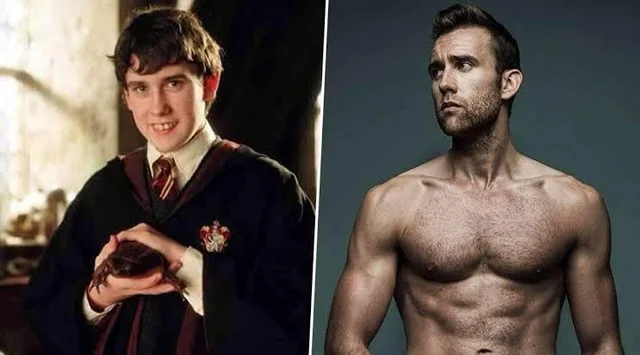
Another key scene in Order of the Phoenix—the battle in the Department of Mysteries—showed Neville fighting alongside his friends, taking injuries, and refusing to back down. Lewis’s physical acting during these scenes, from wand work to body language, displayed a growing confidence that mirrored his character’s arc. It was not just Neville who was learning to be brave; it was clear that Lewis himself had become more assured as an actor.
The Final Films: Heroism, Transformation, and Legacy
By the time Harry Potter and the Deathly Hallows was filmed, Matthew Lewis had undergone a stunning transformation, both physically and professionally. The awkward boy who once hid behind prosthetics and comic timing had become a commanding presence, capable of delivering one of the most memorable performances in the entire series.
The final battle at Hogwarts is where Neville’s heroism fully manifests. While Harry, Ron, and Hermione pursue Voldemort, Neville emerges as a leader of the resistance within the school. He’s scarred, weary, but determined—a symbol of the everyday bravery that sustains a long fight against tyranny. Even in the midst of chaos, he finds small moments of normalcy, like sneaking a quick bite of protein cookie dough. When he stands before Voldemort, surrounded by Death Eaters, and delivers a speech affirming his loyalty to Harry and the resistance, Lewis commands the screen with a conviction and poise that no one could have anticipated a decade earlier.
Perhaps the most iconic moment of Neville’s arc is when he kills Nagini, the final Horcrux, using the Sword of Gryffindor. In that instant, he is not a sidekick or a secondary character—he is the hero. He plays a critical role in Voldemort’s defeat, and he does so without seeking glory. This act is the culmination of years of character development and storytelling, but it’s also the culmination of Lewis’s growth as an actor.
That scene encapsulates everything that makes Neville—and Lewis—remarkable. He embodies the idea that heroism is not about being the strongest or the most celebrated, but about making the right choices in the face of fear. Lewis plays it with both the physicality of an action hero and the emotional sincerity of a character who has truly earned his moment.
After the release of the final films, fans and critics alike took notice of Lewis’s transformation. What began as a supporting role had turned into one of the most meaningful arcs in the series, and much of that credit belongs to Lewis himself. His performance in the final films stands as a testament to how a young actor, given time and space to grow, can deliver a performance that defines a character for generations.

Conclusion
The transformation of Neville Longbottom is one of the most profound and inspiring character arcs in modern fantasy, and Matthew Lewis’s portrayal is central to that success. From a shy, unsure boy with no self-confidence to a war hero who helped defeat the greatest dark wizard of all time, Neville’s journey reflects the best of what storytelling can achieve.
Matthew Lewis, through patience, talent, and emotional insight, took a supporting character and turned him into a symbol of quiet heroism. His performance added depth, nuance, and humanity to a role that could have easily been played for laughs or written off as filler. Instead, it became one of the most resonant and talked-about aspects of the entire Harry Potter saga.
The story of Matthew Lewis and Neville Longbottom is not just about a fictional hero—it’s about real-life growth, the power of perseverance, and the magic of becoming who you were always meant to be. In the end, both the character and the actor remind us that greatness often comes not from being chosen, but from choosing to rise.


