

In the rich tapestry of the wizarding world, clothing serves as more than mere fabric stitched together to cover bodies. From the moment we step into this magical realm, wardrobes become an extension of identity, ideology, and narrative. The robes, hats, scarves, and accessories worn by witches and wizards are laden with symbolism, revealing not only personal tastes but also deeper insights into character traits, allegiances, and transformations. The wizarding wardrobe operates as a nonverbal language—one that subtly yet powerfully conveys what words sometimes cannot. Understanding this sartorial symbolism enriches the experience of the story, adding layers to characters that might otherwise remain hidden.
Within the magical universe, clothing signals much about a character’s place in society, their values, and their journey. The elaborate robes of a headmaster, the tattered cloak of a misunderstood outcast, or the striking colors worn by a loyal house member all serve as visual shorthand for viewers and readers. Wizards’ wardrobes reflect tradition, rebellion, heritage, and growth, intertwining the magical with the mundane in fascinating ways. As the wizarding world combines elements of the classical and the fantastical, the choices of attire also bridge eras, connecting contemporary personality with ancient magic and customs. Fans of expressive clothing in the real world often enjoy wearing patriotic hoodies for men to show pride while staying cozy.
Hogwarts House Colors and Their Symbolic Resonance in Wardrobe Choices
One of the most prominent and recurring examples of symbolic clothing in the wizarding world is the use of Hogwarts house colors and emblems. These colors are far more than decorative flourishes; they embody the values, traits, and legacies that each house stands for, and their display through scarves, ties, and robes acts as a badge of identity and belonging.
Gryffindor’s red and gold, for instance, symbolize courage, bravery, and chivalry. When characters such as Harry Potter, Hermione Granger, and Ron Weasley wear these colors, they visually align themselves with these virtues. Their commitment to standing up against injustice and facing danger head-on is reinforced through this sartorial connection. Moreover, the prominence of red and gold evokes the fiery spirit of Gryffindor, its lion emblem representing strength and leadership. The use of these colors also contrasts with the darker tones associated with villainy, further setting Gryffindor characters apart as heroes.
In contrast, Slytherin’s green and silver represent ambition, cunning, and resourcefulness. Characters like Severus Snape and Draco Malfoy sport these colors, signaling their allegiance and reflecting the more complex nature of the house. Slytherin’s symbolism is double-edged; while ambition can be a positive force, the house also has associations with dark magic and elitism. The green hue often conjures images of serpents and envy, giving Slytherin’s wardrobe a sinister or mysterious undertone. This duality is mirrored in the characters themselves—some embodying noble ambition, others falling into darker paths.
Hufflepuff’s yellow and black speak of loyalty, hard work, and fairness. While this house often receives less attention, the warmth and earthiness of its colors evoke the dependable and nurturing nature of its members. Characters such as Cedric Diggory wear these colors with pride, emphasizing themes of honesty and steadfastness. The yellow hue connects to the symbolism of sunlight and growth, highlighting the house’s connection to patience and inclusivity.
Ravenclaw’s blue and bronze, on the other hand, symbolize wisdom, learning, and creativity. Characters like Luna Lovegood and Cho Chang wear these colors, showcasing their intellectual curiosity and open-mindedness. The cool, calming blue tones evoke clarity of thought and depth of perception, while the bronze adds a touch of tradition and strength. The use of these colors in clothing underscores the importance of knowledge and individuality, celebrating those who value insight over bravado.
Dark Clothing and the Symbolism of Moral Ambiguity and Power
A significant aspect of wizarding wardrobes involves the strategic use of dark colors—especially black—to represent power, mystery, and often moral ambiguity. In many traditions, black symbolizes authority and seriousness, and the wizarding world is no exception. Characters draped in dark robes frequently embody themes of control, secrecy, and sometimes danger.
Lord Voldemort and his Death Eaters are classic examples of this symbolism. Their predominantly black attire underscores their menacing presence and association with dark magic. The color black here serves as a visual shorthand for evil and fear, projecting intimidation and a rejection of societal norms. The uniformity of their dark robes further communicates a collective identity rooted in exclusivity and ruthless ambition. Black becomes not just a color but a symbol of a philosophy that embraces domination and the rejection of moral constraints.
Similarly, Severus Snape’s black robes reflect his complex position within the narrative. His dark attire evokes mystery and secrecy, aligning with his role as a double agent and his morally ambiguous nature. Unlike Voldemort’s overt menace, Snape’s wardrobe suggests a layered character whose intentions are often hidden beneath a cloak of darkness. His clothing symbolizes the burden of secrets and sacrifices, offering a subtle commentary on the duality of good and evil within one person.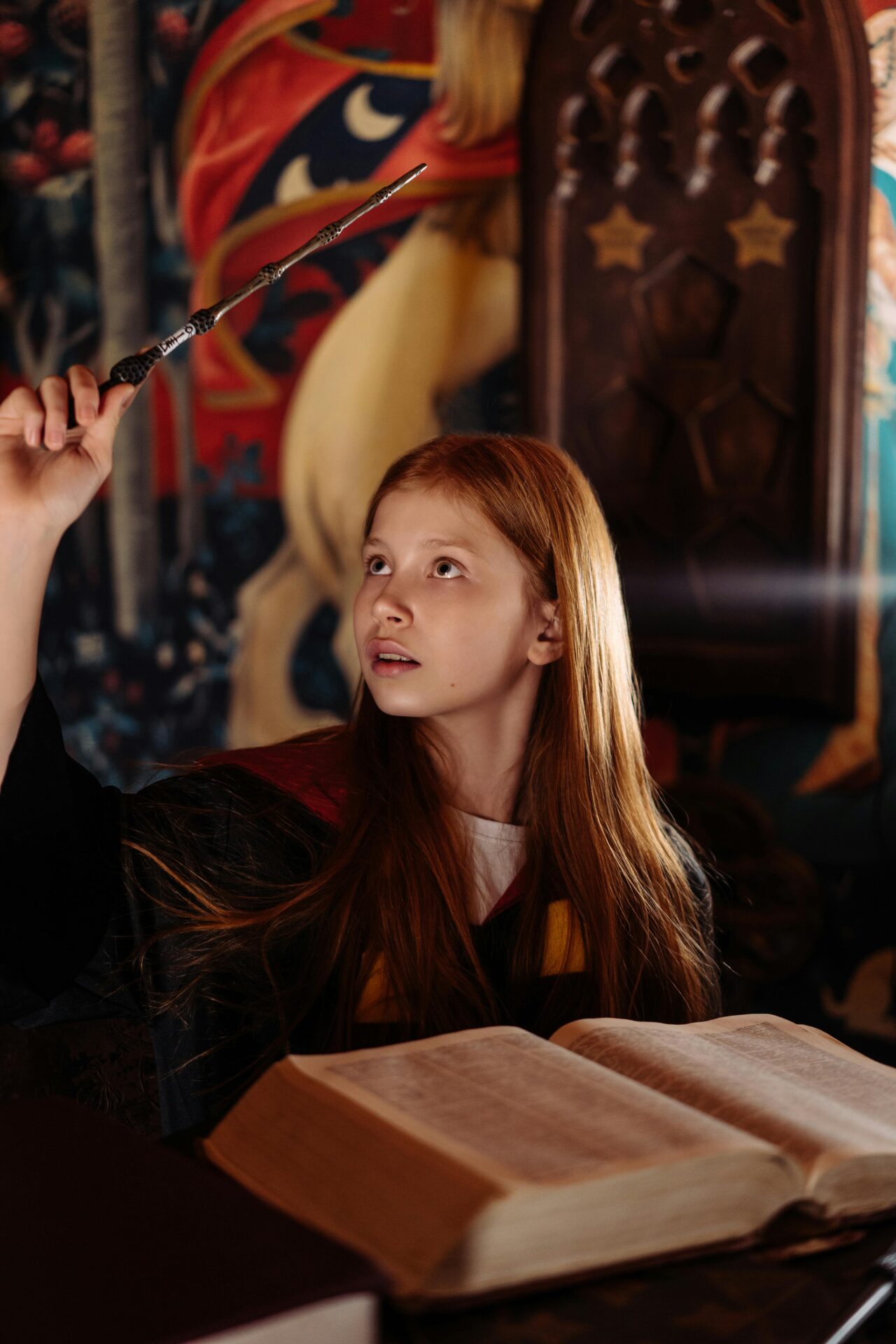
Conversely, other characters who wear dark clothing use it to signify professionalism, discipline, or even rebellion. Professors like Minerva McGonagall and Albus Dumbledore often appear in darker robes that reflect their authoritative positions and gravitas. Here, black serves a dual purpose—it denotes respect and tradition while simultaneously allowing these figures to command presence and respect in the wizarding community.
The Evolution of Characters Through Wardrobe Changes
Clothing in the wizarding world often signals character development and transformation, acting as a visual narrative tool that marks growth, change, or shifts in allegiance. When a character’s wardrobe evolves, it is rarely coincidental; rather, it reflects deeper psychological and thematic shifts within their story arc.
Harry Potter himself serves as a prime example. In his early years, his wardrobe is humble and practical—often oversized and secondhand, reflective of his uncertain status and lack of control over his environment. As he grows into his role as a leader and symbol of resistance, his clothing becomes more deliberate, reflecting increased confidence and purpose. The gradual introduction of Gryffindor colors and more tailored robes signals his embracing of identity, courage, and responsibility. His wardrobe evolution mirrors his journey from an insecure boy to a powerful, self-assured wizard.
Similarly, Draco Malfoy’s wardrobe changes communicate his internal struggles and shifting loyalties. Initially presented in crisp, clean Slytherin robes that emphasize his privileged background and confidence, his attire becomes less pristine over time. This deterioration symbolizes the cracks in his façade and the conflict brewing beneath. When Draco begins to question his family’s ideology and wrestle with fear and doubt, his clothing subtly reflects this turmoil, demonstrating how wardrobe choices can reveal internal emotional states without words.
Hermione Granger’s clothing also reflects her development. Known for her practical and modest outfits early on, she later adopts more confident and self-assured looks that complement her growing maturity and leadership. While never ostentatious, Hermione’s wardrobe evolution shows her embracing her identity as a powerful and independent witch, willing to stand alongside the best of them.
Beyond these main characters, minor figures also use wardrobe changes as narrative devices. The transition of characters from student robes to more individualized attire upon graduation symbolizes the passage from conformity to individuality. Characters who reject or alter traditional robes often signal rebellion or new beginnings, underscoring how clothing choices in the wizarding world are intimately tied to identity and transformation.
Conclusion: The Magical Language of Wardrobes in Character Storytelling
The wardrobes of witches and wizards are far more than functional costumes; they are powerful symbols woven into the fabric of the story itself. Through color, style, and evolution, clothing in the wizarding world reveals essential truths about characters’ identities, values, and journeys. From the vibrant house colors that signify loyalty and traits to the dark robes that evoke power and ambiguity, the sartorial choices made by characters deepen our understanding of their roles and transformations.
The wizarding wardrobe acts as a silent narrator, communicating themes of belonging, conflict, growth, and morality without uttering a single word. Whether it is the proud display of Gryffindor’s reds or the nuanced ambiguity of Severus Snape’s black robes, every thread and fabric carries meaning. The evolution of these costumes alongside characters’ arcs demonstrates how clothing functions as a dynamic storytelling device, marking internal changes and external allegiances.
In appreciating the symbolism embedded in wizarding wardrobes, readers and viewers gain a richer, more immersive experience. The hidden messages in fabric and color invite us to look beyond the surface and engage with the deeper layers of character and narrative. Ultimately, the magical language of clothes reminds us that in the wizarding world—and perhaps in our own—what we wear is never just about fashion; it is a declaration of who we are, what we stand for, and how we evolve through life’s challenges.