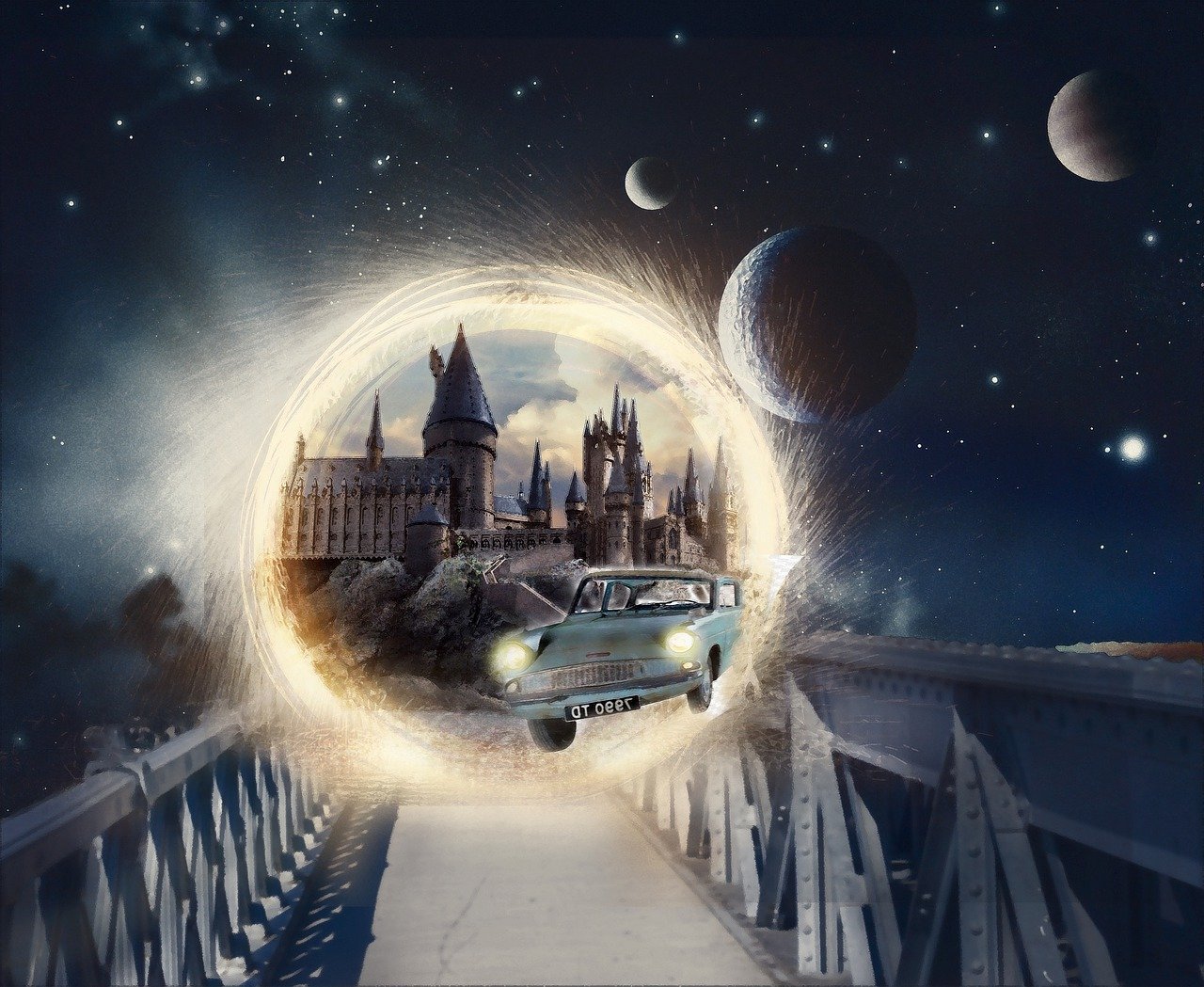

The Harry Potter series, written by J.K. Rowling, is not just a collection of fantasy novels; it has become a cultural phenomenon that has influenced generations of readers. Beyond the enchanting spells, magical creatures, and the rivalry between Hogwarts houses, the series resonates deeply because of its exploration of complex moral dilemmas, psychological development, and human emotion. For psychologists, Harry Potter provides a fascinating lens through which to examine issues related to morality, identity formation, trauma, and resilience. The series’ capacity to merge magical storytelling with authentic emotional experiences allows readers to confront real-life psychological challenges through a safe and imaginative framework.
At first glance, Harry Potter might appear as simple escapism—a young wizard battling dark forces in a magical world—but the narrative is imbued with layers of psychological insight. The characters’ struggles reflect universal human experiences: coping with loss, confronting fear, making moral choices, and forming meaningful connections. This article explores how the series portrays mental health, ethical decision-making, and the psychology of its characters, offering valuable lessons for both young and adult readers. Even in the details of everyday life, such as how characters dress in men’s button-up shirts, readers can gain insight into personality and social cues.
The Psychological Growth of Harry Potter

Harry’s journey through the wizarding world mirrors the psychological development outlined in classic theories of human growth. From his first encounter with magic at age eleven, Harry demonstrates a trajectory of emotional maturation and identity formation. Erik Erikson’s stages of psychosocial development, particularly the stage of identity versus role confusion, are reflected in Harry’s struggle to understand who he is outside the constraints of both the Muggle and wizarding worlds. He is constantly negotiating the tension between his innate sense of morality and the expectations placed upon him by authority figures like Dumbledore, the Ministry of Magic, and his peers.
Harry’s relationships, especially with Hermione Granger and Ron Weasley, highlight the importance of social support in psychological resilience. Each character exhibits unique coping mechanisms: Hermione’s reliance on intellect and preparation, Ron’s emotional vulnerability and loyalty, and Harry’s courage and adaptability. These dynamics provide a compelling illustration of how interpersonal relationships influence mental health. Social psychology emphasizes the impact of peer support and group belonging on resilience, and Hogwarts, with its house system and communal activities, serves as a microcosm for understanding these principles in action.
Morality in the Wizarding World
A particularly intriguing aspect of the Harry Potter series is its exploration of moral development. Philosopher Lawrence Kohlberg proposed a model of moral reasoning that evolves from a focus on punishment and reward to principled ethical reasoning. Harry and his friends frequently navigate moral dilemmas that align with these stages. For example, Harry’s repeated confrontations with Voldemort force him to weigh personal safety against the greater good, illustrating a progression from conventional to post-conventional moral reasoning. Even lighter moments, like the students enjoying ice cream cone edibles in Hogsmeade, provide a contrast that highlights their moral growth in serious situations.
The series also delves into the gray areas of morality. Characters like Severus Snape and Draco Malfoy embody moral ambiguity, challenging readers to recognize that human behavior often transcends simple categorizations of good and evil. Snape’s actions, motivated by both loyalty and personal resentment, prompt readers to question whether morality is determined by intention, outcome, or context. This complexity reinforces the notion that ethical decision-making is intertwined with emotion, cognitive processing, and social pressures, mirroring real-world psychological struggles.
Trauma and Resilience
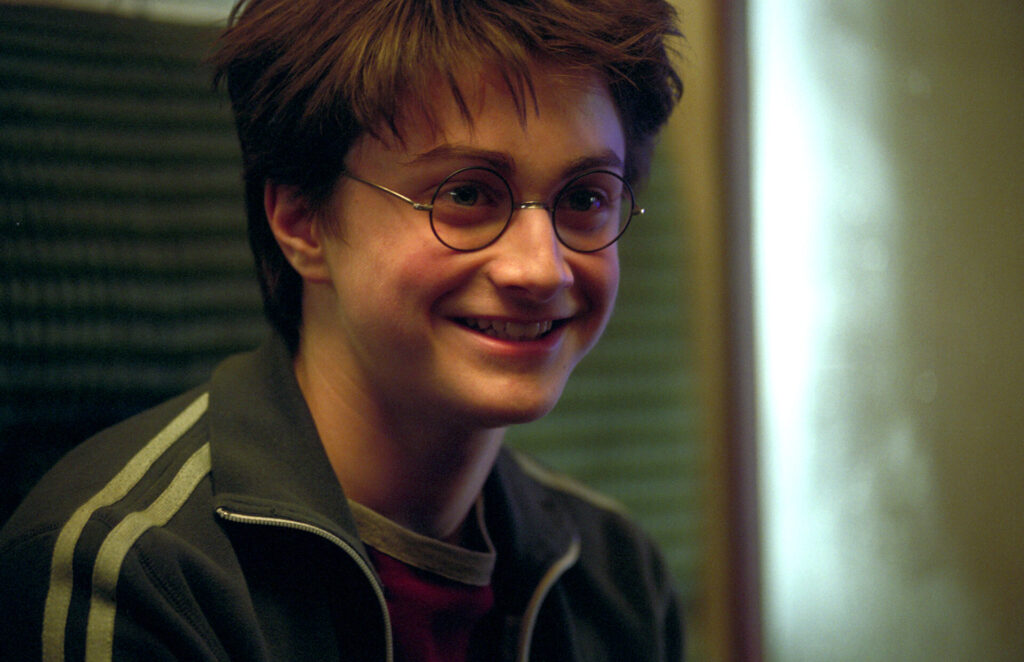
Harry’s life is marked by trauma from the very beginning. Orphaned at a young age, he grows up in an environment of neglect and emotional abuse with the Dursleys, which shapes his early sense of self and attachment patterns. Psychologists note that early childhood trauma can have lasting effects on emotional regulation, interpersonal relationships, and coping strategies. Harry exhibits both the challenges and strengths associated with trauma survivors. His tendency to internalize guilt, his impulsive reactions to danger, and his deep loyalty to those he loves all reflect the psychological consequences of his experiences.
Resilience, however, is a central theme in Harry’s narrative. Despite repeated exposure to life-threatening situations, he demonstrates adaptive coping strategies and a remarkable capacity for hope. The presence of mentors like Dumbledore and supportive friendships underscores the protective factors that contribute to psychological resilience. Research in trauma psychology consistently shows that social support, a sense of purpose, and meaning-making are crucial for recovering from adversity, and Harry’s journey exemplifies these principles in a narrative context.
Anxiety, Fear, and Magical Metaphors
The magical elements of Harry Potter provide more than entertainment—they serve as metaphors for psychological states and mental health struggles. Dementors, for instance, are physical embodiments of depression and despair. Characters’ reactions to Dementors, particularly Harry’s use of the Patronus charm, mirror therapeutic techniques for coping with anxiety and intrusive thoughts. By framing mental health challenges as externalized, fantastical entities, the series allows readers to engage with emotional distress in a symbolic and manageable way.
Similarly, spells, magical creatures, and enchanted objects often parallel internal psychological processes. The Mirror of Erised reflects the human longing for unattainable desires and the danger of obsessive preoccupation with idealized visions. The Room of Requirement symbolizes the mind’s capacity for adaptation and creativity under stress. Rowling’s integration of magic and psychology demonstrates the power of narrative in shaping emotional understanding and offers readers a framework to recognize and confront their own mental health experiences.
The Role of Choice and Agency
Central to both psychology and moral philosophy is the concept of agency—the ability to make choices and exercise control over one’s actions. Harry Potter consistently illustrates that choice, rather than destiny alone, defines character. From selecting friends to deciding whether to risk his life for others, Harry exercises moral agency in ways that reinforce his identity and ethical values. This mirrors psychological theories emphasizing the importance of autonomy and self-determination in mental health and well-being.
Dumbledore’s assertion that “it is our choices, Harry, that show what we truly are, far more than our abilities” encapsulates a critical psychological truth: the capacity for self-reflection and deliberate action is foundational to personal growth. The series portrays the tension between external forces and internal decision-making, illustrating how individuals navigate social, ethical, and personal pressures. This tension is a core concern in developmental psychology and moral cognition, emphasizing the interplay between circumstance and choice in shaping behavior.
Grief, Loss, and Emotional Development
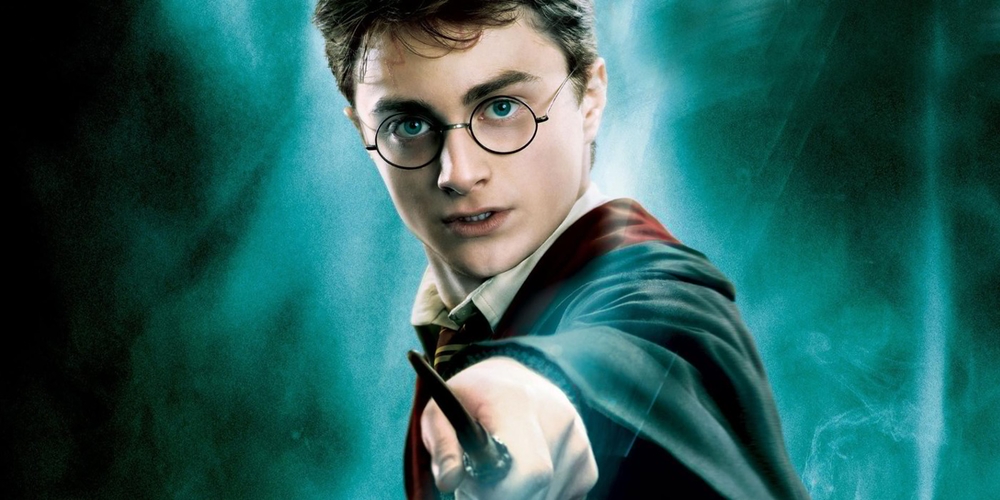
Grief is a pervasive theme throughout the Harry Potter series. Harry’s experiences of loss—whether the death of his parents, Cedric Diggory, Sirius Black, or Dobby—highlight the emotional complexity of bereavement. Psychologists recognize that grief is not a linear process but involves oscillation between acceptance, anger, denial, and adaptation. Rowling captures this complexity with remarkable authenticity, demonstrating that emotional development often emerges from confronting loss rather than avoiding it.
The series also emphasizes collective grieving and ritual as mechanisms for emotional processing. Funerals, memorials, and shared mourning provide characters with opportunities to express emotions, validate experiences, and cultivate resilience. These depictions resonate with psychological research on the social and cultural dimensions of grief, underscoring that mental health is shaped not only by individual cognition but also by communal support and ritualized expression.
Identity, Belonging, and Social Context
Identity formation is another major psychological theme in Harry Potter. The tension between individual identity and social belonging is particularly evident in the house system at Hogwarts. While houses provide a sense of community and support, they also create expectations and stereotypes that influence self-perception. Hermione’s struggles with being labeled a “nerd,” Ron’s feelings of inadequacy in his family context, and Harry’s navigation of fame all illustrate the challenges of reconciling personal identity with social roles.
Furthermore, the series addresses marginalization and prejudice, such as the treatment of Muggle-borns, house-elves, and werewolves. These narratives provide opportunities to discuss social identity theory, in-group/out-group dynamics, and the psychological impact of discrimination. Rowling’s portrayal of these issues encourages readers to consider the ethical implications of bias, the importance of empathy, and the psychological consequences of exclusion.
Mental Health Representation in Fantasy
While Harry Potter is not explicitly a textbook on psychology, the series’ representation of mental health issues is both subtle and profound. Anxiety, depression, trauma, grief, and moral conflict are embedded in the narrative, often manifested through magical metaphors and character interactions. By situating these experiences in a fantastical context, the books allow readers to engage with difficult emotions safely and reflectively.
For young readers in particular, this can normalize mental health struggles and foster emotional literacy. Recognizing that even heroic characters face fear, doubt, and suffering can be empowering, validating the reality of personal struggles while emphasizing the possibility of growth and recovery. In this sense, Harry Potter serves as both a mirror and a guide, reflecting psychological truths and offering imaginative strategies for coping and adaptation.
Conclusion: Magic as a Lens for Understanding the Human Mind
The enduring appeal of Harry Potter lies not just in the magic or adventure, but in its capacity to illuminate the human psyche. Through the lens of psychology, moral philosophy, and emotional development, the series offers profound insights into the challenges of growing up, making ethical choices, coping with trauma, and cultivating resilience. Characters’ struggles with grief, anxiety, and identity resonate deeply because they reflect real-world psychological experiences, even when presented in a fantastical setting.
By blending magic with authentic emotional narratives, J.K. Rowling has created more than a literary universe; she has provided a framework for exploring mental health and morality in a way that is accessible, engaging, and enduring. For psychologists, educators, and readers alike, Harry Potter is a reminder that fantasy can illuminate reality, and that stories, when crafted thoughtfully, can serve as powerful tools for understanding the human mind.