
The Harry Potter series has captivated millions of readers and viewers worldwide, but even the most devoted fans may have missed some of the hidden secrets that make J.K. Rowling’s wizarding world so intricately detailed. Beneath the layers of magic, friendship, and adventure lie subtle clues, Easter eggs, and fascinating tidbits that enrich the story for those willing to look closer. From character development nuances to hidden foreshadowing, the series is brimming with secrets waiting to be discovered.
The Subtle Foreshadowing of Major Events
One of the most impressive aspects of the Harry Potter series is Rowling’s masterful use of foreshadowing. Even in the earliest books, she planted subtle hints that foreshadowed major plot twists years later. For instance, in Harry Potter and the Philosopher’s Stone, there are multiple hints regarding Professor Quirrell’s allegiance to Voldemort. Fans who read closely may notice the description of Quirrell’s “sweaty, nervous manner” and the way he consistently avoids direct eye contact, foreshadowing his role as a secret villain. Similarly, the mention of the flying key in the first book subtly sets the stage for later magical challenges that rely on similar cleverness and observation. These moments showcase Rowling’s careful planning and reward attentive readers with a sense of discovery.

Hidden Character Details You Probably Missed
Rowling has a unique talent for creating characters with layered backstories, many of which are only hinted at subtly throughout the series. For example, Severus Snape is presented initially as a menacing teacher, but numerous hidden details reveal a far more complex character. In The Philosopher’s Stone, Snape’s nervous reactions around the stone could be interpreted as mere suspicion, yet they also hint at his complicated motivations and eventual heroism. Similarly, Luna Lovegood is introduced as an eccentric, almost comical character, but her quiet wisdom and deep understanding of magical creatures hint at a far richer backstory that becomes increasingly relevant in later books. These hidden character nuances provide a sense of realism and depth that make the series enduringly compelling.
The Magical Significance of Names
Rowling’s naming conventions are more than whimsical—they are carefully crafted to convey meaning. The name Remus Lupin, for example, subtly reveals his werewolf identity. “Remus” references one of the legendary twins raised by a wolf in Roman mythology, and “Lupin” derives from lupus, the Latin word for wolf. Similarly, the name Sirius Black carries hidden symbolism: Sirius is the Dog Star, foreshadowing his Animagus form as a black dog. Even minor characters have names with layered meanings, such as Dolores Umbridge, whose unpleasant personality is mirrored in the sharp, jarring sound of her name. Rowling’s attention to linguistic detail adds a rich, often overlooked layer of meaning for readers who enjoy dissecting the story’s subtleties.
Hidden Hogwarts Lore
Hogwarts is more than just a magical school; it’s a living, breathing world with hidden lore scattered throughout the series. Many fans may not realize the depth of its history, such as the fact that each house founder had distinct philosophical beliefs that continue to influence students centuries later. Godric Gryffindor valued courage and chivalry, while Salazar Slytherin prized ambition and cunning. Rowena Ravenclaw’s focus on intelligence and learning is mirrored in the way her students approach challenges, and Helga Hufflepuff’s emphasis on loyalty and hard work defines her house’s ethos. Subtle references to these foundational philosophies appear in small moments throughout the books, giving Hogwarts a sense of continuity and depth. The architecture itself is also filled with secrets, from moving staircases to hidden rooms like the Room of Requirement, each with symbolic significance reflecting the magical world’s complexity.
The Symbolism of Objects
Objects in the Harry Potter series often carry more weight than they seem to at first glance. The Invisibility Cloak, for example, is not just a tool for sneaking around; it symbolizes humility and wisdom, traits that are rewarded in those who wield it responsibly. The Time-Turner, introduced in The Prisoner of Azkaban, is not merely a magical plot device but also serves as a metaphor for the consequences of manipulating time and the importance of responsibility. Even the Horcruxes carry symbolic significance, representing pieces of Voldemort’s fragmented soul and the dangers of obsession with immortality. Rowling’s deliberate use of symbolism ensures that ordinary-seeming objects enrich the story with hidden layers of meaning, rewarding readers who pay attention to detail.
Hidden Connections Between Characters
The series is also filled with subtle character connections that many fans might miss on a first reading. For example, Harry and Voldemort share an unbreakable bond through their connection via the lightning bolt scar, but there are additional, often overlooked links. In The Goblet of Fire, Voldemort references a prophecy that could have applied to Neville Longbottom as easily as to Harry, highlighting a hidden narrative thread about destiny and choice. Similarly, many characters have intersecting backstories, like the Marauders—James Potter, Sirius Black, Remus Lupin, and Peter Pettigrew—whose actions in their youth echo throughout the series and shape the events that unfold at Hogwarts. These hidden connections make the story feel interconnected and alive, as if every action has repercussions beyond what initially appears.
Magical Creatures with Hidden Depths
Rowling’s magical creatures are far more than whimsical additions; many carry hidden meanings and literary significance. Take the house-elves, for instance, whose existence raises questions about servitude, social hierarchy, and freedom. Dobby’s liberation is symbolic not only of personal growth but also of moral responsibility. Dragons, phoenixes, and Thestrals are more than dangerous or mystical beasts; they represent themes of rebirth, loyalty, and the acceptance of death. Even smaller creatures, such as Cornish pixies, often serve dual roles in storytelling, functioning as both comic relief and subtle foreshadowing devices. Understanding these creatures’ hidden significance adds richness to the reading experience, making the wizarding world feel more alive and purposeful. Just as understanding the deeper meaning behind magical creatures enriches the story, wearing apparel that honors service and identity can carry personal and cultural significance, such as graphic veteran t-shirts.
Hidden Themes of Morality and Choice
Beneath the surface of epic battles and magical duels lies a subtle but powerful exploration of morality and choice. The series repeatedly emphasizes that courage, loyalty, and love are meaningful not because they are innate, but because individuals choose them in the face of adversity. Dumbledore’s repeated advice to Harry—that it is our choices, more than our abilities, that define us—resonates throughout the series. Even minor characters, such as Neville Longbottom, demonstrate that moral courage can manifest in unexpected ways. This thematic depth, often hidden beneath the surface-level action, encourages readers to reflect on their own decisions and the importance of integrity and compassion.
Easter Eggs in the Movies
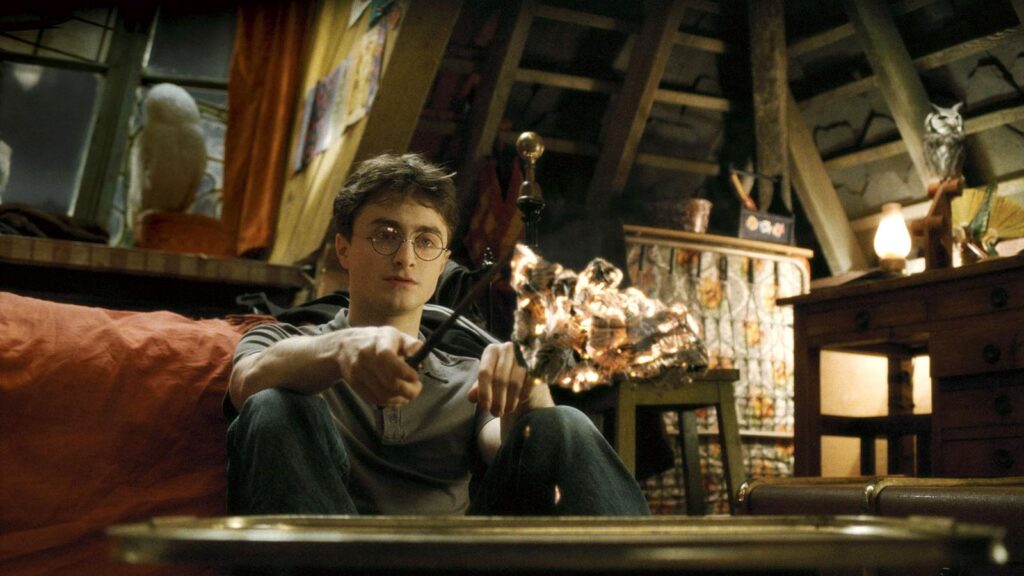
For fans who discovered Harry Potter through the films, there are numerous hidden details and Easter eggs that often go unnoticed. In the movies, subtle props, background details, and casting choices hint at deeper connections from the books. For example, portraits in Hogwarts frequently feature characters that will later become relevant, and small visual cues foreshadow future plot twists. Directors and designers also included references to Rowling’s handwritten notes and annotations, ensuring that attentive viewers are rewarded with a richer cinematic experience. These hidden movie details demonstrate the care and dedication involved in translating the books to the screen.
Secrets About the Wizarding World Beyond the Books
Even beyond the original seven books, the wizarding world contains hidden secrets that expand its scope. Rowling’s additional writings, such as Pottermore entries, reveal intricate details about wizarding history, magical education, and even character genealogies. Fans who explore these sources uncover nuances that deepen their understanding of the series’ mythology. Hidden references in interviews and special editions of the books provide insight into Rowling’s creative process, showing how small choices—like character deaths or spell names—were carefully considered to enhance narrative complexity. For those willing to dig, the Harry Potter universe offers virtually endless layers of hidden information.
The Allure of Hidden Secrets
What makes these hidden secrets so compelling is their ability to enrich the reader’s experience without detracting from the story’s accessibility. Whether it’s subtle foreshadowing, symbolic objects, or intricate character connections, these secrets reward attention to detail and encourage repeated readings. They also reflect the meticulous craftsmanship behind Rowling’s writing, demonstrating that even the most minor elements have meaning and purpose. This attention to detail is part of what has allowed the series to remain relevant and beloved decades after its initial publication. Every hidden secret adds a layer of wonder, making fans feel like participants in an expansive, magical puzzle.
Conclusion
The Harry Potter series is far more than a collection of books about magic; it is a meticulously crafted world full of hidden secrets, subtle foreshadowing, and intricate symbolism. From the cleverly named characters and objects to the moral lessons woven into the narrative, the series rewards attentive readers with endless discoveries. Even the smallest details—like a glance from a teacher, a seemingly trivial spell, or a background character—can reveal deeper truths about the story and the universe it inhabits. For fans who thought they knew everything, revisiting the series can feel like stepping into Hogwarts for the first time all over again, where hidden secrets await in every corridor, classroom, and page.
The magic of Harry Potter isn’t just in the spells or the creatures; it lies in the hidden threads, subtle connections, and secrets that make the series a masterpiece of storytelling, one that continues to enchant, surprise, and inspire generations of readers.