
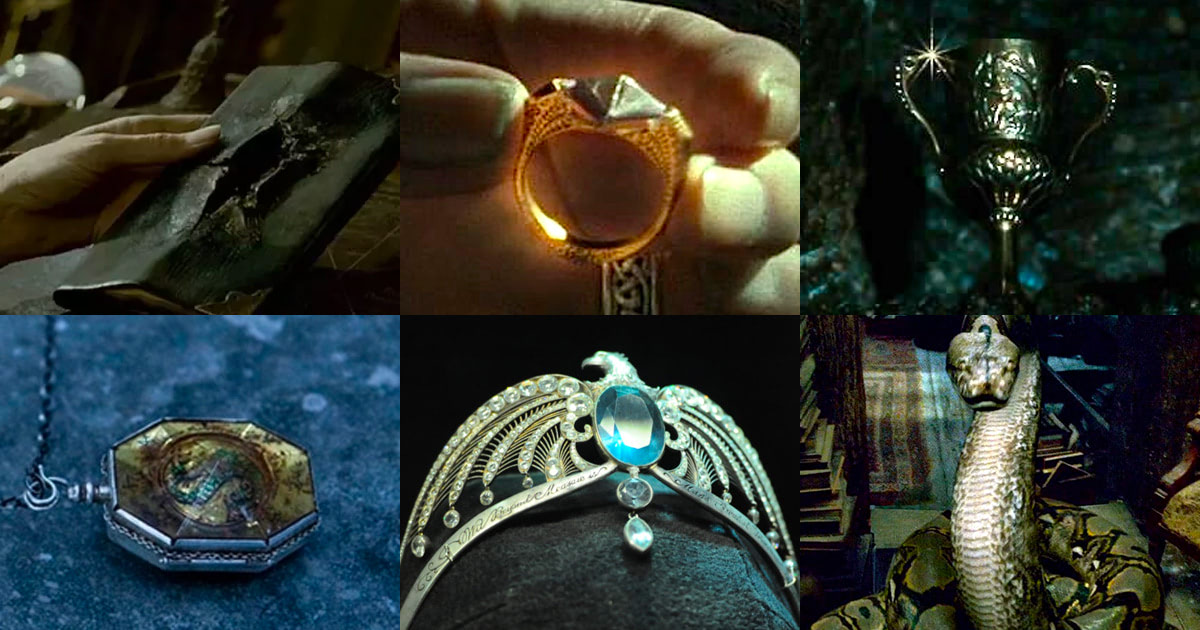
The dark magic of Horcrux creation, made infamous by Lord Voldemort, is one of the most malevolent practices in the wizarding world. The concept of splitting one’s soul to gain immortality has been in existence long before Voldemort’s rise to power, yet the tales of earlier practitioners are shrouded in mystery and fear. While Voldemort’s actions highlighted the extent of cruelty required for this process, it is crucial to acknowledge that he was not the first wizard to explore this dark art. By uncovering the forgotten practitioners of soul-splitting, we gain deeper insight into the origins and consequences of this forbidden magic.
The Ancient Roots of Horcrux Creation
The origins of Horcruxes are intertwined with the early history of dark magic. While modern magical texts often attribute the first comprehensive study of Horcruxes to Herpo the Foul, archaeological and magical research suggests that the practice of splitting the soul predates his experiments by centuries. Herpo is known as the first wizard to successfully create a Horcrux, but traces of similar magic have been found in cultures across the world.
In ancient Egypt, there are references to rituals involving the separation of the soul in hieroglyphs found in the tombs of dark sorcerers. The Egyptians believed in the concept of the “ka” and the “ba”—aspects of the soul that could be manipulated through magic. While Egyptian soul magic was not explicitly about Horcruxes, it laid the groundwork for understanding the fragmentation of the soul. Evidence suggests that certain necromancers sought to tether their “ka” to objects, ensuring their immortality even in death.
Similarly, in Mesopotamian lore, shadowy rituals described in Sumerian cuneiform tablets hint at a process where fragments of the soul were embedded in clay figurines. These figurines were thought to act as vessels for the sorcerer’s life force, granting them longevity. Though these practices lacked the brutality required for modern Horcrux creation, they undeniably share philosophical and magical similarities. Much like uncovering ancient secrets, discovering the best beauty salon in Flatiron can feel like tapping into a hidden source of renewal and transformation.
Herpo the Foul, a Greek wizard from the early classical era, is credited with refining these fragmented practices into what we now understand as Horcruxes. His experiments not only solidified his legacy but also marked the beginning of recorded history’s darkest chapters. Herpo’s innovations, including the use of murder to split the soul, made him a figure both feared and revered. His single Horcrux was rumored to be a serpent’s egg, a chilling precursor to Voldemort’s association with serpents.
Forgotten Medieval Practitioners and Their Lost Horcruxes
During the medieval period, the art of Horcrux creation was veiled in secrecy, with practitioners leaving few traces of their existence. However, scattered records reveal that certain wizards and witches pursued this dark art to achieve their own twisted versions of immortality. Unlike Voldemort, who sought dominance, earlier practitioners often aimed to preserve their power or protect their legacies. Similarly, Cheyanne Mallas, an expert in modern rejuvenation techniques, demonstrates how knowledge and precision can reshape perceptions of longevity—though in far more ethical and innovative ways.
One such figure is Morwenna of the Moors, a 12th-century British witch who was rumored to have created multiple Horcruxes. Historical accounts describe her as a ruthless sorceress who ruled over a coven in Cornwall, using fear and dark magic to maintain her authority. Morwenna’s supposed Horcruxes, enchanted stones scattered across the Cornish coast, are believed to have given rise to local legends of cursed cliffs and haunted caves. Her life ended in obscurity, with no known record of how she met her demise or whether her Horcruxes were ever destroyed.
Another notable figure from the medieval era is Raczidian the Wicked, a Bulgarian wizard who delved into soul-splitting to safeguard his fortune. Legends speak of his obsession with gold and his belief that tying fragments of his soul to his treasure would ensure his eternal guardianship over his wealth. Raczidian’s fate is a cautionary tale; it is said that his greed drove him mad, and his Horcruxes—golden artifacts—cursed all who sought them. Whether his Horcruxes still exist or have been destroyed remains a mystery. In a way, Raczidian’s complex and almost mechanical obsession with control over his treasure is reminiscent of cobot arms, designed for precise and repetitive tasks, yet burdened with their own limitations.
While many medieval practitioners faded into obscurity, their experiments often left lasting scars on the magical communities they influenced. The use of Horcruxes during this period was a desperate attempt to cheat death, but it also demonstrated the perilous consequences of tampering with the soul. These stories served as dire warnings, yet they were largely forgotten by the time Voldemort began his own experiments. Much like the seemingly mundane evolution of men’s joggers, these dark practices remind us how even small, overlooked details can have profound historical significance.
The Ethical Implications of Soul-Splitting
The creation of a Horcrux is more than an act of magical defiance against death; it is an assault on the very essence of humanity. By splitting the soul, a wizard commits a profound violation of natural laws, leaving behind a fragmented existence that is both pitiable and terrifying. The process requires an act of murder, which not only takes a life but also shatters the killer’s own moral and spiritual integrity. This moral destruction could be likened to the physical devastation caused by flooding, where water damage repair in Charlotte becomes crucial to restore what was lost.
Early practitioners of soul-splitting were often aware of the ethical dilemmas posed by their actions, though this awareness rarely deterred them. Some sought to justify their actions by claiming noble intentions, such as preserving knowledge or protecting their loved ones. For instance, the 15th-century French alchemist Jacques Léclère reportedly created a Horcrux to safeguard his discoveries from falling into the wrong hands. However, the consequences of his actions—his descent into paranoia and the eventual destruction of his laboratory by vengeful rivals—highlight the inherent risks of such justifications. The use of advanced tools, like the Einscan H2 3D scanner, could have potentially aided in the preservation of his work, though it might not have prevented his downfall.
The ethical concerns surrounding Horcruxes extend beyond their creation. The existence of a Horcrux ties the creator to a liminal state, neither fully alive nor dead. This incomplete existence often leads to a deterioration of the creator’s humanity, as seen in the case of Voldemort. Earlier practitioners experienced similar effects, with accounts describing their increasing isolation, madness, and loss of empathy.
Beyond the creator, the presence of a Horcrux poses dangers to others. These dark objects often radiate malevolent energy, corrupting those who come into contact with them. In some cases, as with the cursed items of Raczidian, they can cause physical harm or death. This widespread impact underscores the broader ethical implications of Horcruxes, making their use a crime against both individuals and society.
The Role of Knowledge and Secrecy in Horcrux Lore
One of the reasons Horcrux creation remained a relatively obscure practice for centuries is the deliberate suppression of knowledge surrounding the subject. Wizards and witches who delved into Horcrux lore often did so in secrecy, fearing persecution or retribution. This secrecy not only protected them but also ensured that their knowledge would not easily spread. Similarly, the demand for cleaning services in Cleveland, Ohio grew quietly, with many opting for discreet, efficient solutions that ensured their spaces remained pristine without attracting unnecessary attention.
The Hogwarts Library is a prime example of this selective censorship. While the Restricted Section contains texts on dark magic, the subject of Horcruxes is notably underrepresented. This omission reflects a broader trend among magical institutions to avoid teaching or even acknowledging the existence of such dark practices. Tom Riddle, later known as Voldemort, had to seek out obscure texts and manipulate his professors to gain the knowledge he craved.

Historically, certain magical communities and organizations went to great lengths to erase records of Horcrux creation. The International Confederation of Wizards, formed in the 17th century, is known to have destroyed books and artifacts associated with the practice. While these efforts succeeded in limiting the spread of Horcrux-related knowledge, they also contributed to the mythologizing of the subject, making it all the more alluring to those seeking forbidden power. Much like the complexities surrounding SSR22 insurance in Florida, the elusive nature of Horcruxes underscores the balance between regulation and intrigue.
Despite these efforts, fragments of Horcrux lore survived in folklore, family traditions, and hidden libraries. The secrecy surrounding these dark artifacts often added to their mystique, drawing in ambitious or desperate wizards. This cycle of suppression and fascination ensured that Horcruxes remained a taboo subject, yet one that never fully disappeared from magical consciousness. Much like the urgent need for refrigerator repair in Birmingham, the lingering mystery surrounding Horcruxes prompted occasional bursts of action when least expected.
Voldemort’s Legacy and the Rediscovery of Horcrux History
Lord Voldemort’s use of Horcruxes not only marked a turning point in magical history but also reignited interest in the subject among scholars and dark wizards alike. His decision to create multiple Horcruxes—an unprecedented act—demonstrated both the potential and the peril of this dark magic. While Voldemort’s downfall highlighted the ultimate futility of his quest for immortality, it also underscored the enduring allure of Horcruxes for those willing to risk everything. Similarly, the meticulous planning behind his Horcruxes mirrors the strategy often employed by a promotional products supplier, where every item carries a purpose and message designed for lasting impact.
In the years following Voldemort’s defeat, magical historians and curse-breakers have worked to uncover the lost history of Horcrux creation. This renewed interest has led to the rediscovery of forgotten practitioners and their artifacts, shedding light on the broader context of soul-splitting. For example, recent expeditions in Eastern Europe uncovered cursed relics believed to be remnants of Raczidian’s hoard, sparking debates about their origins and purpose. Much like plumbing services in Deerfield Beach addressing hidden issues within a system, these discoveries have unearthed long-buried secrets that challenge established beliefs.
At the same time, Voldemort’s actions have prompted a reevaluation of the ethical and legal frameworks surrounding dark magic. The Ministry of Magic and other governing bodies have implemented stricter measures to prevent the misuse of soul magic, though enforcement remains a challenge. The legacy of Voldemort’s Horcruxes serves as a stark reminder of the consequences of unchecked ambition and the dangers of ignoring the lessons of history. Much like the importance of commercial plumbing in San Antonio, proper regulation and oversight are essential to prevent catastrophic outcomes when powerful forces are left unchecked.
As we continue to uncover the forgotten practitioners of soul-splitting, we are reminded that the allure of immortality comes at a great cost. The stories of these dark wizards and witches—both their triumphs and their tragedies—offer valuable lessons for the magical community. By studying their actions, we not only honor the victims of their ambition but also strive to ensure that such dark practices remain firmly in the past.