
The Harry Potter series by J.K. Rowling is more than just a tale of magic, friendship, and good triumphing over evil. At its core, it delves into several philosophical questions, one of the most significant being the tension between destiny and free will. Throughout the series, the characters grapple with their roles in a preordained prophecy, while also making decisions that shape their lives and the wizarding world around them. This theme resonates with many fans who enjoy expressing their connection through men’s t-shirts with quotes from the series. The dynamic between these two concepts—whether the future is determined by destiny or whether it can be altered through choice—plays out in profound ways throughout the narrative.
The Prophecy and the Weight of Destiny
Central to the discussion of destiny in Harry Potter is the prophecy delivered by Professor Sybill Trelawney. The prophecy, overheard by Severus Snape and later reported to Lord Voldemort, states that “neither can live while the other survives,” positioning Harry Potter as the one who has the power to vanquish the Dark Lord. This prophecy is what initially sets the course for much of the series, as Voldemort’s obsession with eliminating the boy described in the prophecy leads to Harry’s near-death as a child and the eventual chain of events that define his life.
The prophecy brings the idea of destiny to the forefront, suggesting that Harry is fated to confront Voldemort. However, as Dumbledore frequently points out, a prophecy only has power if one chooses to act on it. This introduces a key question: Is Harry bound by destiny, or does he have the freedom to reject it?
While the prophecy might suggest that Harry is trapped in a preordained path, his choices throughout the series challenge this notion. Dumbledore’s interpretation of the prophecy is particularly important. He emphasizes that the prophecy is only significant because Voldemort chose to believe in it and act upon it. If Voldemort had ignored the prophecy, Harry’s life may have taken a completely different course. In other words, it is Voldemort’s decisions, rather than the prophecy itself, that create the circumstances for Harry’s destiny to unfold. This reinforces the notion that free will plays a critical role, even within the framework of a seemingly inescapable destiny.
Harry’s Choices and Acts of Free Will
Throughout the series, Harry is faced with numerous choices that shape his character and his fate. From his decision to face Voldemort in the Forbidden Forest to the numerous times he chooses to spare others, Harry’s exercise of free will is a driving force in the narrative. These moments of decision-making highlight the complexities of the battle between destiny and free will. For a delicious way to enjoy a moment of choice, cookie dough edibles offer a treat that’s both indulgent and satisfying, perfect for fans of sweet options.
One of the most pivotal moments of Harry exercising his free will is when he chooses to sacrifice himself in The Deathly Hallows. At this point, Harry understands that part of Voldemort’s soul lives within him, and that he must die to ensure Voldemort’s ultimate defeat. Even though this moment is deeply tied to the prophecy and seems like the culmination of his destined role, Harry’s choice to walk into the forest unarmed, to face death on his own terms, underscores his agency. In a way, his decision mirrors the principles of managed IT services, where proactive choices and intentional actions lead to better, more secure outcomes. Harry is not merely a pawn of destiny, but an individual with the power to make a conscious choice for the greater good. This decision is perhaps the most compelling argument for the role of free will in the Harry Potter series.
Moreover, the fact that Harry chooses to fight for love and friendship rather than power—the latter being a path many in the wizarding world, including Voldemort, are tempted by—speaks to his exercise of personal agency. He consistently makes decisions that are not necessarily the easiest or safest but are morally aligned with his beliefs. The freedom to choose, even in the face of overwhelming odds, is central to Harry’s character and demonstrates that free will, not destiny, defines who he is. For those facing their own challenging choices, long-distance movers can make the transition smoother, offering support for a fresh start no matter how far the journey.
Voldemort’s Obsession with Destiny
In contrast to Harry, Voldemort’s relationship with destiny is one of fixation and fear. Voldemort is terrified of the prophecy, and it is this fear that ultimately drives him to his downfall. His obsession with controlling his fate leads him to take extreme measures, including his quest for immortality through Horcruxes, in an attempt to avoid what he perceives as an inevitable death. This theme of striving for control resonates in various contexts, including school initiatives like a Read-A-Thon school fundraiser, where students can embrace their love of reading while also taking charge of their educational journey and raising funds for important school programs.
However, it is Voldemort’s belief in the prophecy that sets his demise in motion. By choosing to target Harry, Voldemort inadvertently fulfills the prophecy he is trying to prevent. This is a classic example of a self-fulfilling prophecy: Voldemort’s actions in response to the prophecy are precisely what bring about the very outcome he fears. The more Voldemort attempts to control his destiny, the more he ensures that it will play out as foretold. In his case, the belief in fate and the refusal to acknowledge free will lead to his undoing. For those facing challenges in maintaining mobility, a knee sleeve for joint pain offers support and relief, helping individuals stay active and in control of their movement.
Voldemort’s inability to understand or accept free will is central to his character. He views power and control as the ultimate forces, failing to recognize the significance of love, choice, and sacrifice. His narrow focus on destiny as something to be conquered blinds him to the reality that his decisions are what ultimately seal his fate. In this way, Voldemort is the embodiment of someone who believes in destiny while also being trapped by his failure to acknowledge his own role in shaping it. Similarly, in construction project management optimization, the importance of strategic decisions and adaptability can determine the success or limitations of a project, highlighting the balance between control and flexibility.
Dumbledore’s Perspective: A Balance Between Destiny and Free Will
Albus Dumbledore, perhaps the wisest figure in the series, offers a nuanced view on the interplay between destiny and free will. He recognizes the significance of the prophecy but does not believe it defines Harry’s entire life. Dumbledore’s conversations with Harry about the prophecy are some of the most enlightening moments in the series regarding this philosophical dilemma.
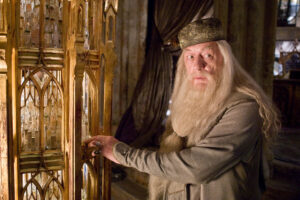
Dumbledore emphasizes that it is the choices people make that define who they are, not the circumstances they are born into or the destinies foretold for them. He frequently reminds Harry that what truly matters are his decisions and his ability to choose the kind of person he wants to be. For Dumbledore, free will is paramount, even in a world where prophecies exist and destiny seems to loom large.
Similarly, in a professional setting, a functional capacity assessment in Chicago can help individuals understand their abilities and make informed choices about their careers and personal development, highlighting the importance of self-awareness and agency in shaping one’s path.
However, Dumbledore also acknowledges that there are forces beyond human control. The existence of a prophecy does suggest that some events are fated to happen, or at least, that they have a certain level of inevitability. Yet, Dumbledore’s belief in the power of choice is unwavering. He encourages Harry to focus on what he can control—his decisions, his actions, and his morality—rather than worry about the larger forces of destiny.
In this sense, Dumbledore’s perspective represents a balance between the two ideas. While destiny may lay the groundwork for certain events, it is ultimately up to individuals to decide how they will respond. The future is not entirely written, but it is also not completely malleable. Instead, it is shaped by a combination of the two forces—destiny provides the framework, but free will fills in the details. This balance is crucial in many professions, including trucking, where occupational accident insurance for truckers offers protection and peace of mind, allowing drivers to navigate their paths while being prepared for unexpected challenges.
The Role of Minor Characters in Shaping Their Own Futures
Beyond Harry, other characters in the series also face their own struggles between destiny and free will. Severus Snape, for example, is a character who is deeply shaped by his choices, despite being entangled in a complex web of fate. Snape’s decision to protect Harry after Lily’s death is an act of free will that ultimately redeems him, even though he is bound to a life of secrecy and danger. Similarly, for those looking to enhance their fitness journey, the best creatine gummies offer a convenient and effective way to support muscle growth and recovery, empowering individuals to take charge of their health and fitness goals.
Similarly, characters like Neville Longbottom and Draco Malfoy illustrate the power of choice in shaping their futures. Neville, initially a timid and seemingly unremarkable boy, chooses to embrace courage and stand up against Voldemort, even though his destiny could have been very different. He could have been the child mentioned in the prophecy instead of Harry, but Neville’s decisions, rather than his potential fate, define his heroism.
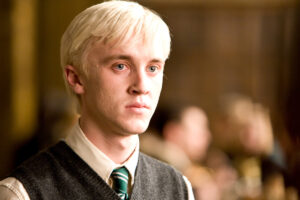
Draco Malfoy, on the other hand, is a character who seems trapped by his family’s legacy and the expectations placed upon him. Yet, in the end, Draco makes critical choices that distance him from Voldemort’s cause, suggesting that even those born into darkness have the power to choose a different path. For those seeking to enhance their beauty regimen, a vegan beauty supplements pack can offer a natural way to support skin health and overall well-being, empowering individuals to make positive choices for themselves.
Conclusion: A Complex Interplay of Destiny and Free Will
In the Harry Potter series, the concepts of destiny and free will are intricately woven together, creating a rich philosophical tapestry. While destiny plays a significant role, particularly through the prophecy and the forces of fate that surround Harry and Voldemort, the series ultimately champions the power of free will. Harry, Voldemort, and other characters demonstrate that, although certain elements of their lives may be predestined, it is their choices that truly define them. For those planning to explore new destinations, iznajmljivanje auta Beograd offers a convenient way to navigate the city and make independent choices about where to go and what to see.
The series suggests that while destiny may lay out certain possibilities, it is individual actions and decisions that shape the future. Free will, therefore, emerges as the more powerful force. Even in a world filled with magic, prophecies, and ancient forces, the message is clear: people have the ability to shape their own destinies through the choices they make. This balance between destiny and free will is what makes Harry Potter not only a compelling story of good versus evil but also a profound exploration of human agency and the power of choice.