
Fantasy literature, with its realms of magic, mythical creatures, and epic quests, has long captivated readers’ imaginations. At the heart of this genre lies a rich tapestry of influences, chief among them being mythology and folklore. These ancient tales passed down through generations, have woven themselves into the very fabric of fantasy literature, shaping its themes, characters, and worlds. In this article, we delve into the profound influence of mythology and folklore on the landscape of fantasy literature, tracing their roots and exploring their enduring impact.
Ancient Roots and Modern Resonance
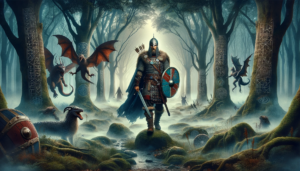
Mythology and folklore are the bedrock upon which fantasy literature stands. From the Greek myths of gods and heroes to the Norse sagas of mighty warriors and fierce beasts, these ancient narratives continue to resonate with modern audiences. The enduring appeal of these tales lies in their timeless themes—love and betrayal, heroism and sacrifice, the eternal struggle between good and evil. In fantasy literature, authors draw upon these archetypal motifs, infusing their stories with a sense of depth and resonance that speaks to readers across cultures and generations.
The myths and folklore of various cultures serve as a treasure trove of inspiration for fantasy authors. Whether drawing from the pantheon of gods and goddesses in Greek mythology or the epic legends of ancient heroes in Celtic folklore, writers find endless sources of creativity in the rich tapestry of human storytelling. By reimagining and reinterpreting these timeless tales, authors breathe new life into age-old myths, inviting readers to explore familiar themes through fresh perspectives.
Characters and Archetypes
One of the most striking influences of mythology and folklore on fantasy literature is the presence of archetypal characters. Heroes imbued with superhuman strength and courage, wise mentors who guide them on their journeys, cunning tricksters who outwit their foes—these archetypes populate both ancient myths and modern fantasy tales. From the valiant knights of Arthurian legend to the wily trickster gods of Norse mythology, these characters serve as timeless symbols of human virtues and flaws, lending depth and complexity to the worlds they inhabit.
In addition to archetypal characters, fantasy literature often features creatures and beings drawn from myth and folklore. From dragons and unicorns to elves and dwarves, these fantastical creatures populate the worlds of fantasy, adding an element of wonder and magic to the narrative. By incorporating these mythical beings into their stories, authors pay homage to the rich traditions of folklore while also expanding the imaginative possibilities of their own creations.
World-Building and Mythopoeia
Another hallmark of fantasy literature influenced by mythology and folklore is the art of world-building. Just as ancient mythologies crafted elaborate cosmologies populated by gods, monsters, and otherworldly realms, so too do fantasy authors create richly imagined worlds filled with magic and wonder. From J.R.R. Tolkien’s Middle-earth to J.K. Rowling’s wizarding world, these fictional landscapes draw inspiration from the mythologies and folklore of cultures around the globe, inviting readers to immerse themselves in realms of endless possibility.
The process of world-building in fantasy literature often involves the creation of intricate systems of magic and mythology. Drawing upon the myths and legends of various cultures, authors craft detailed histories, religions, and cosmologies for their fictional worlds. These mythic frameworks not only provide a sense of depth and authenticity to the narrative but also serve as a means of exploring universal themes and ideas. By grounding their stories in myth and folklore, authors create immersive worlds that resonate with readers on a profound level.
Themes and Morality
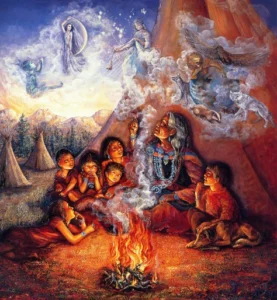
At its core, fantasy literature is a genre of moral exploration, grappling with questions of right and wrong, destiny, and free will. Here, the influence of mythology and folklore is keenly felt, as authors weave ancient moral codes and ethical dilemmas into their narratives. Whether exploring the consequences of hubris and greed or celebrating the triumph of virtue over adversity, fantasy literature draws upon the timeless wisdom of myth and legend to shed light on the human condition.
The themes explored in fantasy literature often mirror those found in ancient myths and folklore. From the hero’s journey to the quest for redemption, these universal motifs speak to fundamental truths about the human experience. By incorporating these themes into their stories, authors engage readers in a dialogue about morality, destiny, and the nature of existence. Through the lens of fantasy, readers are invited to explore complex ethical dilemmas and grapple with the consequences of their choices, all within the safety of a fictional world.
Exploring Cultural Diversity
Beyond the familiar realms of Greek and Norse mythology lies a vast tapestry of cultural traditions waiting to be explored. Fantasy literature, with its boundless capacity for imagination, provides a platform for authors to draw upon the rich mythologies and folklore of cultures from around the world. From the vibrant tapestries of African oral traditions to the mystical legends of East Asian folklore, these diverse narratives offer a treasure trove of inspiration for writers seeking to infuse their stories with fresh perspectives and voices.
In delving into these diverse cultural traditions, fantasy authors have the opportunity to not only celebrate the richness and diversity of human experience but also to challenge stereotypes and broaden readers’ perspectives. By weaving elements of different cultural mythologies and folklore into their narratives, authors can create worlds that reflect the complexities of the real world, where diverse cultures coexist and intersect in dynamic and unexpected ways. This opens the door for many to further devote themselves to the research of other peoples, cultures, and traditions, and with excellent hospitality courses, everyone has a unique and good opportunity to expand their knowledge and perspectives, which will certainly come in handy on a future trip.
Moreover, by exploring cultural diversity in fantasy literature, authors can foster greater empathy and understanding among readers, encouraging them to embrace and appreciate the unique contributions of different cultures to the tapestry of human civilization. Through the lens of fantasy, readers can embark on journeys of discovery, encountering new worlds, customs, and beliefs that expand their horizons and challenge their preconceptions.
Ultimately, by embracing cultural diversity in fantasy literature, authors have the power to create stories that resonate with readers from all walks of life, offering windows into worlds both familiar and exotic, and inviting them to explore the boundless possibilities of the human imagination. For the young members of the organization, the Readathon school fundraiser, has a special meaning, because through such stories, novels, and books, they not only work on developing their good reading habits but also successfully expand their knowledge about other interesting cultures and traditions.
Magic and Metaphor
At the heart of fantasy literature lies the transformative power of magic—a force that transcends the boundaries of the physical world and taps into the deepest recesses of the human psyche. Yet, beyond its role as a mere plot device, magic serves as a potent metaphor for the mysteries of existence, the untapped potential within each of us, and the enduring quest for meaning and purpose in a world fraught with uncertainty. In fantasy literature, magic becomes a lens through which authors explore the complexities of human nature and the eternal struggle between light and darkness. The concept it conveys can significantly influence many readers and direct them on their way, however, in addition, magic creates an illusion of security and easy problem-solving that can cause disappointment, especially for people with big problems such as young people in treatment for autism and the like condition.
Magic, in its various forms, serves as a powerful allegory for the forces that shape our lives and define our destinies. Whether it manifests as a wand-waving wizard casting spells or as an ancient artifact imbued with mystical powers, magic in fantasy literature embodies the human desire to transcend the limitations of the mundane world and reach for something greater. It represents the inherent tension between the rational and the irrational, the known and the unknown, as characters grapple with the consequences of wielding such extraordinary power. This opens up different dilemmas and views on the very concept of magic, however, if you commit to your life and arrange it the way you would like, then there is no need for such a force in your life, and with great house-washing in St. Augustine, you can always enjoy your creative and clean home.
Moreover, magic serves as a metaphor for the transformative journey of self-discovery and personal growth. In many fantasy stories, characters embark on quests to master their magical abilities, confronting inner demons and external challenges along the way. Through their trials and tribulations, they come to understand the true nature of magic—not as a means to dominate others or escape reality, but as a catalyst for personal transformation and spiritual enlightenment. The whole process and path is just a metaphor for any difficult path you can navigate today, whether it’s the profession you want to pursue while practicing skillful handling of Japanese scissors as a future professional hairdresser, or some other difficult path, mastering magic is nothing more than mastering your life paths.
Ultimately, in the hands of skilled storytellers, magic becomes more than just a fantastical element of the plot—it becomes a mirror that reflects the deepest truths of the human experience, inviting readers to ponder the mysteries of existence and the boundless potential of the human spirit. This kind of therapy can be especially pleasant for people who are in some difficult situations at the moment, however, when it comes to more serious problems, it is always better to count on professionals and excellent health services in Dallas, TX that can easily solve the problems that are bothering you.
Gender and Identity
In recent years, fantasy literature has undergone a renaissance of sorts, as authors increasingly challenge traditional notions of gender and identity within the genre. From fierce warrior women who defy gender norms to non-binary characters who navigate fluid identities, the landscape of fantasy literature is evolving to reflect the diversity of human experience. By subverting tropes and stereotypes, authors are forging new paths for representation and inclusivity, inviting readers to imagine worlds where anyone—regardless of gender or identity—can be the hero of their own story. Looking at this form of society is very important because it promotes and enhances a more colorful society full of diversity and ideas, and if your business also needs good promotion, you can rely on an excellent Colorado Springs SEO company that will create a successful promotion plan for you.
The portrayal of gender and identity in fantasy literature has the power to shape readers’ perceptions and beliefs, challenging ingrained prejudices and expanding the boundaries of what is considered possible or permissible. By featuring characters who break free from conventional gender roles and expectations, authors empower readers to question societal norms and embrace their own unique identities. Therefore, it is a good motivation for all individuals, regardless of gender, to work on themselves and change by achieving new solutions and ideas, in the end, when you build yourself, you will also be able to build the future with someone else, and for the woven big event, surely you can rely on great wedding photography in Arkansas courtesy of professional photographers.
Moreover, the exploration of gender and identity in fantasy literature opens up space for nuanced discussions about power, privilege, and intersectionality. Characters who navigate issues of gender identity, sexuality, and race in fantastical settings offer readers a fresh perspective on real-world social issues, prompting them to consider how systems of oppression operate in both fictional and real-world contexts. This encourages many to start improving themselves and the society in which they live, and in order to succeed in this, the environment you are in is also important, and when you decide on the ideal place to live, you can rely on experienced Los Angeles movers who will help you with things.
Environmental Allegories
As the world grapples with the urgent realities of climate change and environmental degradation, fantasy literature has emerged as a potent medium for exploring these pressing issues through allegory and metaphor. From the scorched wastelands of dystopian landscapes to the verdant forests teeming with magical creatures, authors use the fantastical elements of their stories to shine a light on humanity’s relationship with the natural world. In doing so, they challenge readers to confront the consequences of their actions and imagine a future where harmony and balance reign supreme. Likewise, many thematic festivals, pet expos, and fairs use these fantastic novels and ideas to draw many important issues of society through them and present them to a world ready for change.
In many fantasy stories, the natural world is depicted as a living, breathing entity—a force to be reckoned with, rather than a resource to be exploited. Characters who wield magic often find themselves in tune with nature, drawing strength from the elements and forming bonds with the creatures that inhabit the wild places of the world. Through their interactions with the natural world, these characters come to understand the interconnectedness of all life and the importance of preserving the delicate balance of ecosystems. This is precisely why many companies that work to invest in better environmental conditions use the motifs of such characters on their creative promotional products to draw people’s attention to their noble movements.
Moreover, environmental allegories in fantasy literature serve as cautionary tales, warning readers of the dangers of unchecked greed and exploitation. Whether through the depiction of ecological disasters caused by human hubris or the struggles of characters to protect their homelands from destruction, these stories remind us of the fragility of the planet and the urgent need for stewardship and conservation. That’s why it is important that every individual gets involved in this story and participates in big actions and movements, and if you find yourself in Europe, you can rent a car in Beograd so that you can easily visit big festivals and events that are thematically dedicated to the fight to preserve the beauty of nature.
The Power of Myth in Modern Society

In an age defined by technological advancement and social upheaval, the enduring power of myth remains as potent as ever. In the digital age, where information is abundant and attention spans are fleeting, fantasy literature offers a refuge—a sanctuary where readers can escape the noise of the modern world and reconnect with ancient truths and timeless wisdom. By tapping into the collective unconscious and exploring the universal themes of love, loss, and redemption, fantasy literature reminds us of our shared humanity and the enduring power of storytelling to inspire, provoke, and transform our lives. But with the help of new technology possibilities, the democratization and greater accessibility of books are at a much higher level, in addition, the Internet provider that manages IT services in San Antonio provides its users with an excellent Internet with which they can quickly and easily find many interesting works of fantastic literature and enjoy carefree online reading.
In a world increasingly dominated by scientific rationalism and materialism, the role of myth and storytelling in shaping human culture and consciousness cannot be overstated. Mythology and folklore have served as the foundation of human civilization for millennia, providing answers to life’s deepest mysteries and guiding us through the trials and tribulations of existence. In fantasy literature, authors continue this tradition, offering readers a window into worlds where the impossible becomes possible and the mundane is imbued with magic and meaning. Thanks to this, many public speaking coaches advise their students to read some of these types of literature in order to successfully work on their talents and abilities and develop their potential by imitating some of these characters.
Conclusion
In conclusion, fantasy literature stands as a testament to the enduring power of myth and folklore to captivate our imaginations and illuminate the human experience. From its diverse cultural influences to its exploration of timeless themes and contemporary issues, fantasy literature continues to evolve and adapt, offering readers a gateway to worlds beyond the ordinary and a mirror to reflect upon our own lives. As we journey through the pages of these fantastical tales, we are reminded of the infinite possibilities of the human spirit and the transformative power of storytelling to shape our understanding of the world and ourselves.