

When J.K. Rowling’s Harry Potter and the Philosopher’s Stone was first published in 1997, few could have predicted the cultural and commercial juggernaut it would become. At its core, Harry Potter is a story about a young boy discovering his identity, navigating friendships, and confronting darkness. Yet, over the course of more than two decades, this beloved tale evolved into much more than literature; it became a global brand recognized across continents, languages, and generations.
The success of Harry Potter was not merely a matter of storytelling—it was a triumph of marketing ingenuity. From the very beginning, publishers, film studios, merchandise companies, and even theme parks collaborated to create a seamless ecosystem where books, films, and products reinforced each other. This synergy, carefully crafted and nurtured over time, illustrates how a fictional universe can transcend its original medium and become a cultural and commercial phenomenon.
Early Marketing Strategies: Building Anticipation

Rowling’s rise to fame coincided with a pivotal period in publishing: the late 1990s saw the growth of global media networks, increased international book distribution, and the emergence of the internet as a promotional tool. Bloomsbury, Rowling’s UK publisher, recognized that they had more than a children’s book—they had the potential for mass appeal across demographics.
Marketing began subtly but strategically. The first print run was modest, creating an aura of exclusivity and collectibility among early readers. Positive word-of-mouth reviews from schools and libraries helped cultivate a sense of excitement. Special midnight release events, particularly in later years, created communal experiences where fans eagerly awaited the unveiling of each new installment. Some fans even paired their event attendance with themed merchandise, including veteran apparel, to show their dedication. This approach turned the simple act of purchasing a book into a celebration, an event, and a ritual—a tactic that has since become standard in publishing for highly anticipated titles.
At the same time, careful branding choices ensured that the series had visual consistency. The iconic cover designs, font choices, and even color schemes distinguished Harry Potter from other children’s literature. This cohesive visual identity laid the groundwork for merchandise, spin-offs, and other extensions that would follow.
International Expansion and Translation
One of the defining aspects of Harry Potter’s marketing strategy was its global approach. From the outset, Rowling and her publishers understood that this story had universal themes: friendship, courage, and the fight against injustice. These themes resonated across cultures, making the books prime candidates for translation.
Translating Harry Potter was not a simple linguistic task. Translators needed to capture the magic and humor, maintain character nuances, and sometimes invent entirely new words to reflect spells, magical creatures, and whimsical place names. This careful attention ensured that fans in Germany, Japan, Brazil, and beyond could experience the same wonder as English readers. The result was a truly international phenomenon, with sales soaring in dozens of countries and creating a diverse, loyal global fanbase.
The Film Franchise: Amplifying the Brand
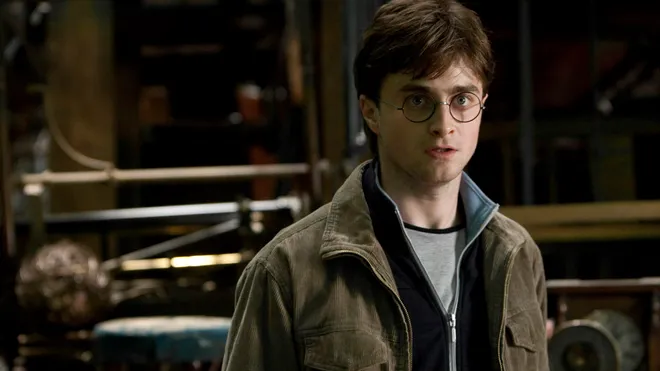
While the books laid the foundation, the Harry Potter films transformed the series into a mainstream, mass-market brand. Warner Bros. acquired the rights in the late 1990s and approached the adaptation with a vision that prioritized fidelity to the source material while creating cinematic spectacle. The casting of Daniel Radcliffe, Emma Watson, and Rupert Grint created a trio that audiences could grow with, reinforcing the sense of connection established in the books.
Marketing for the films was aggressive and multifaceted. Trailers emphasized both magical adventure and emotional depth, appealing to children, teens, and adults. Premieres were global events, often held in London or New York, generating massive media coverage. Behind-the-scenes content, interviews, and interactive fan experiences fostered engagement, while merchandise tie-ins—from toys to clothing to collectible wands—capitalized on every cinematic release.
The films also reinforced the books, driving new readers to the series. For many young fans, seeing Hogwarts and its inhabitants come to life on screen inspired them to explore the source material, creating a feedback loop of engagement that strengthened brand loyalty across multiple platforms.
Merchandise: From Wands to Wizarding World Parks
Perhaps one of the most striking aspects of the Harry Potter phenomenon is the sheer breadth of merchandise associated with the brand. Early licensing deals focused on toys, stationery, and clothing, but over time the strategy expanded to include everything from home décor to board games. The goal was clear: turn fandom into a lifestyle, allowing fans to incorporate the magical world into their everyday lives.
The pinnacle of this strategy was the creation of The Wizarding World of Harry Potter theme parks, beginning with Universal Studios in Orlando. These immersive experiences allowed fans to step directly into Hogwarts, Diagon Alley, and Hogsmeade, blurring the line between fiction and reality. The parks became not only a tourist attraction but also a powerful marketing tool, generating media coverage and deepening fans’ emotional connection to the brand.
Interactive experiences, such as virtual reality games, mobile apps, and online communities, further reinforced the idea that Harry Potter was not just a series of books or films but a fully realized world that fans could explore, personalize, and share.
Digital Marketing and Fan Engagement
The rise of the internet coincided perfectly with Harry Potter’s global growth. Online forums, fan fiction communities, and fan art sites created spaces for enthusiasts to discuss theories, share experiences, and celebrate the story. Recognizing this, the franchise embraced online engagement without fully controlling it, allowing fans to feel a sense of ownership over their interaction with the magical world.
Official websites and social media accounts offered curated content, quizzes, and interactive experiences, which allowed the brand to maintain relevance with younger audiences and continue building excitement between book releases and film premieres. This strategic combination of official and fan-driven marketing amplified the series’ reach, ensuring that Harry Potter remained culturally significant across multiple generations.
Strategic Collaborations and Licensing
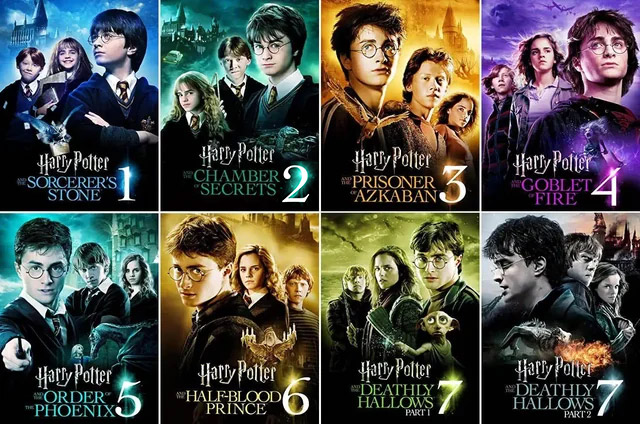
Rowling and her team were also strategic in licensing decisions. Partnerships with companies such as LEGO, Scholastic, and Warner Bros. created high-quality products that maintained brand integrity while generating revenue. These collaborations were not haphazard; every partnership reinforced the sense of magic, adventure, and authenticity associated with the brand.
Even unconventional collaborations, such as Harry Potter-themed cafés, makeup lines, and luxury collectibles, served a dual purpose: they broadened the demographic appeal and deepened fans’ emotional engagement. This careful curation of partnerships ensured that the brand maintained its prestige while becoming omnipresent in global consumer culture.
Cultivating a Multi-Generational Legacy
A hallmark of the Harry Potter marketing machine is its ability to appeal to multiple generations simultaneously. Original readers, now adults, still engage with the brand through spin-off books, films like Fantastic Beasts, and theme park experiences. Meanwhile, younger audiences are continually introduced to the story through animated adaptations, interactive games, and online communities.
This multi-generational appeal is not accidental. The franchise’s themes—friendship, courage, identity, and justice—are universal, while marketing strategies have continually evolved to remain relevant. By combining nostalgia with innovation, the brand ensures that each new generation feels ownership and connection, sustaining its longevity.
Lessons from the Harry Potter Marketing Success
The story of Harry Potter’s rise to global branding offers several key insights for marketers and content creators. First, narrative consistency is critical; whether in books, films, merchandise, or theme parks, the magical universe maintains a coherent identity. Second, fan engagement is paramount; creating spaces for fans to interact, theorize, and participate fosters loyalty that is deeper than passive consumption. Third, strategic partnerships amplify reach without diluting brand integrity.
Finally, Harry Potter demonstrates the power of cross-media storytelling, where books, films, games, merchandise, and live experiences reinforce each other. The brand did not rely on one single medium for success; instead, it built a comprehensive ecosystem where each component enhanced the others, creating both commercial and cultural dominance.
Conclusion: A Magical Blueprint
From humble beginnings as a children’s book in 1997 to a global brand encompassing films, merchandise, theme parks, and digital experiences, Harry Potter is a masterclass in modern marketing. Its success demonstrates how storytelling, strategic branding, fan engagement, and multi-platform expansion can transform literature into a cultural phenomenon.
The magic of Harry Potter extends far beyond spells and wizardry; it lies in the careful orchestration of narrative, commerce, and community. For marketers, creators, and storytellers, the franchise offers a blueprint: authenticity, consistency, and deep engagement can turn even a fictional world into a timeless, globally recognized brand.
In the end, Harry Potter shows that magic is not just in wands and incantations—it is in connecting people, ideas, and experiences across generations, crafting a universe that continues to captivate hearts and imaginations worldwide.