
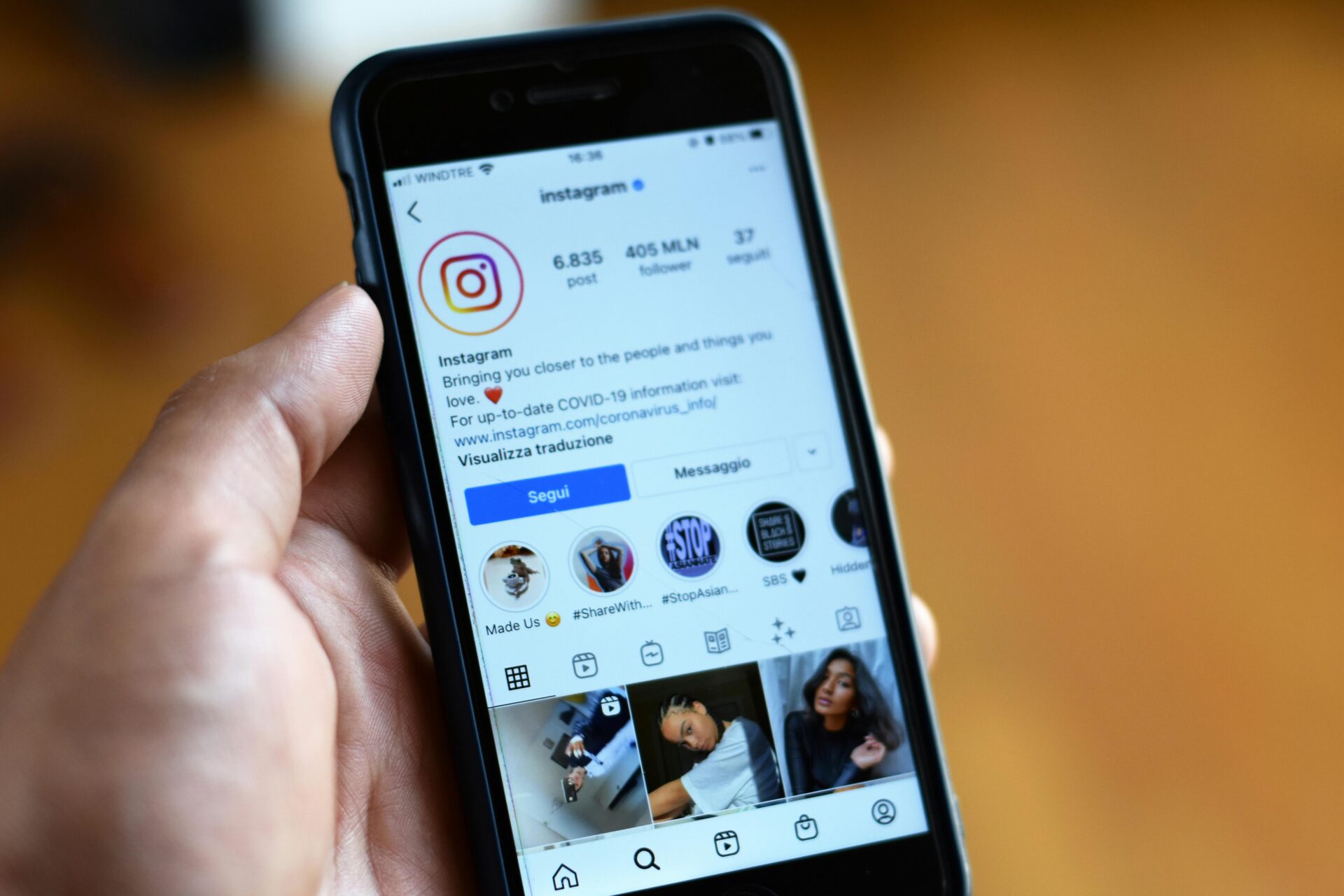
For most of human history, the public square was a physical place. It might have been an ancient agora, a medieval marketplace, a town hall, or a city street where people gathered to exchange news, argue politics, celebrate victories, and mourn losses. These spaces were messy, loud, and imperfect, but they were essential. They were where society talked to itself. In the twenty-first century, something profound has shifted. While physical public spaces still exist, they are no longer the primary arena where collective conversation happens. That role has been taken over by digital media.
Digital media has become the new public square not because it perfectly replaces physical spaces, but because it fulfills the same social function at a far greater scale and speed. News breaks online before it reaches television. Political movements organize on platforms rather than in meeting halls. Cultural debates unfold in comment sections, livestreams, and viral posts. This transformation has reshaped how power, identity, and participation work in modern societies. To understand contemporary politics, culture, and conflict, we must understand digital media as the central civic space of our time.
From Stone and Streets to Screens and Feeds
The traditional public square was defined by geography. You had to be physically present to participate, which limited who could speak and who could listen. Digital media dissolves those limits. Anyone with an internet connection can enter the conversation, regardless of location, class, or national borders. This shift has radically expanded participation, turning local discussions into global ones almost instantly.
In the past, public discourse was constrained by time as well as space. A speech happened once. A protest occurred on a specific day. If you missed it, you missed it. Digital media, by contrast, is persistent. Posts can be shared, archived, reinterpreted, and resurfaced years later. This persistence changes how ideas circulate and how accountability works. Statements made casually can become permanent records, shaping reputations and careers long after the original context has faded.
Digital platforms also collapse distinctions between different kinds of public speech. In a physical square, there were implicit hierarchies: officials on platforms, speakers with permission, crowds responding. Online, those hierarchies are flatter, though not absent. A viral post from an unknown individual can reach more people than a press conference held by a powerful institution. This redistribution of attention is one of the defining features of the digital public square. It creates opportunities for marginalized voices, but it also creates volatility, where influence can shift rapidly and unpredictably.
At the same time, digital spaces are not neutral. They are designed environments, shaped by algorithms, interfaces, and corporate incentives. Unlike a town square maintained by a city, digital platforms are owned by private entities. This means the rules of participation—what is amplified, what is suppressed, what is monetized—are often invisible to users. The modern public square is not just digital; it is privately governed, and that tension lies at the heart of many contemporary debates about free speech and democracy.
Speech, Power, and Visibility in the Digital Age
In any public square, the central question is who gets heard. Digital media changes this equation by making visibility the primary currency of power. It is not enough to speak; one must be seen, shared, and engaged with. Algorithms decide which voices rise and which sink into obscurity. Visibility is no longer granted solely by social status or institutional authority, but by metrics like clicks, likes, and watch time.
This system can be empowering. Grassroots movements have used digital platforms to bypass traditional gatekeepers, drawing attention to issues that were previously ignored. Hashtags can rally millions, expose injustice, and force institutions to respond. In this sense, digital media fulfills the democratic promise of the public square more fully than many physical spaces ever did. It allows collective attention to form rapidly around shared concerns.
Yet visibility driven by algorithms also distorts public discourse. Content that provokes outrage, fear, or tribal loyalty tends to spread more easily than content that is nuanced or reflective. The digital public square rewards emotional intensity over deliberation. This does not mean people are incapable of thoughtful discussion online, but it does mean that the system structurally favors conflict. Over time, this can polarize communities and erode trust, making the public square feel more like a battleground than a forum.
Power in the digital square is also asymmetrical. While anyone can speak, not everyone has equal resources to amplify their voice. Influencers, corporations, and political actors can invest in visibility through advertising, coordinated campaigns, or platform expertise. Meanwhile, platform moderation decisions—often opaque and inconsistently applied—can silence certain voices entirely. The result is a public square where participation is open in theory, but uneven in practice.
Understanding digital media as a public square forces us to confront these power dynamics directly. It challenges the idea that platforms are merely neutral tools and highlights their role as active participants in shaping civic life.
Community, Conflict, and Collective Identity Online
Public squares have always been places where communities form and identities are negotiated. Digital media intensifies this process by allowing people to gather around shared interests, beliefs, or experiences regardless of physical proximity. Online communities function as micro–public squares, each with their own norms, languages, and boundaries.
These communities can be sources of belonging and support, especially for individuals who feel isolated in their offline lives. People find validation, information, and solidarity in digital spaces that might not exist locally. This is one of the most humane aspects of the digital public square: its ability to connect people who would otherwise remain invisible to one another.
At the same time, community formation online often goes hand in hand with conflict. The same tools that enable connection also enable division. Digital media makes it easy to define in-groups and out-groups, to perform identity publicly, and to rally against perceived enemies. Conflict becomes a form of participation, drawing attention and reinforcing group cohesion. In this way, the digital public square can amplify social fractures rather than resolve them.
Collective identity online is also shaped by constant performance. In a physical square, participation was often temporary; you spoke, listened, and went home. Online, identity is ongoing and documented. Profiles, posts, and histories create a persistent public self. This can encourage self-expression, but it can also pressure individuals to conform to group expectations. Deviating from a community’s norms can result in backlash or exclusion, mirroring but intensifying the dynamics of offline public life.
Despite these tensions, digital media remains a crucial space for collective meaning-making. Memes, trends, and shared narratives emerge organically, reflecting how society interprets events in real time. The digital public square is where culture now processes itself, negotiating what matters, what is acceptable, and what must change.
Democracy, Responsibility, and the Future of the Public Square
If digital media is the new public square, then it carries civic responsibilities that go beyond entertainment or profit. Democracies depend on spaces where citizens can exchange ideas, challenge authority, and access reliable information. Digital platforms now mediate these functions, often without clear accountability. The health of the public square has become inseparable from the design and governance of digital media.
One major challenge is misinformation. In a traditional square, false claims could be challenged in real time by others present. Online, misinformation can spread rapidly and persistently, reaching millions before correction is possible. The scale and speed of digital media magnify the consequences of falsehoods, making trust harder to sustain. Addressing this problem requires not only better moderation, but also digital literacy and cultural norms that value verification over virality.
Another challenge is exclusion. While digital media expands access in theory, barriers such as language, disability, surveillance, and harassment still limit participation. A truly democratic digital public square must be intentionally inclusive, designed to protect vulnerable voices rather than silence them. This raises difficult questions about regulation, platform responsibility, and the balance between free expression and harm reduction.
Looking forward, the future of the public square will likely be hybrid rather than purely digital or physical. Protests organized online spill into streets. Town halls are livestreamed and debated on social platforms. The boundary between online and offline civic life continues to blur. What matters is not nostalgia for older forms, but clarity about the role digital media now plays.
Digital media is the new public square because it is where society argues, organizes, celebrates, and remembers. It is flawed, contested, and evolving, just like every public square before it. The challenge of our time is not to abandon this space, but to shape it so that it serves the public good rather than undermining it.