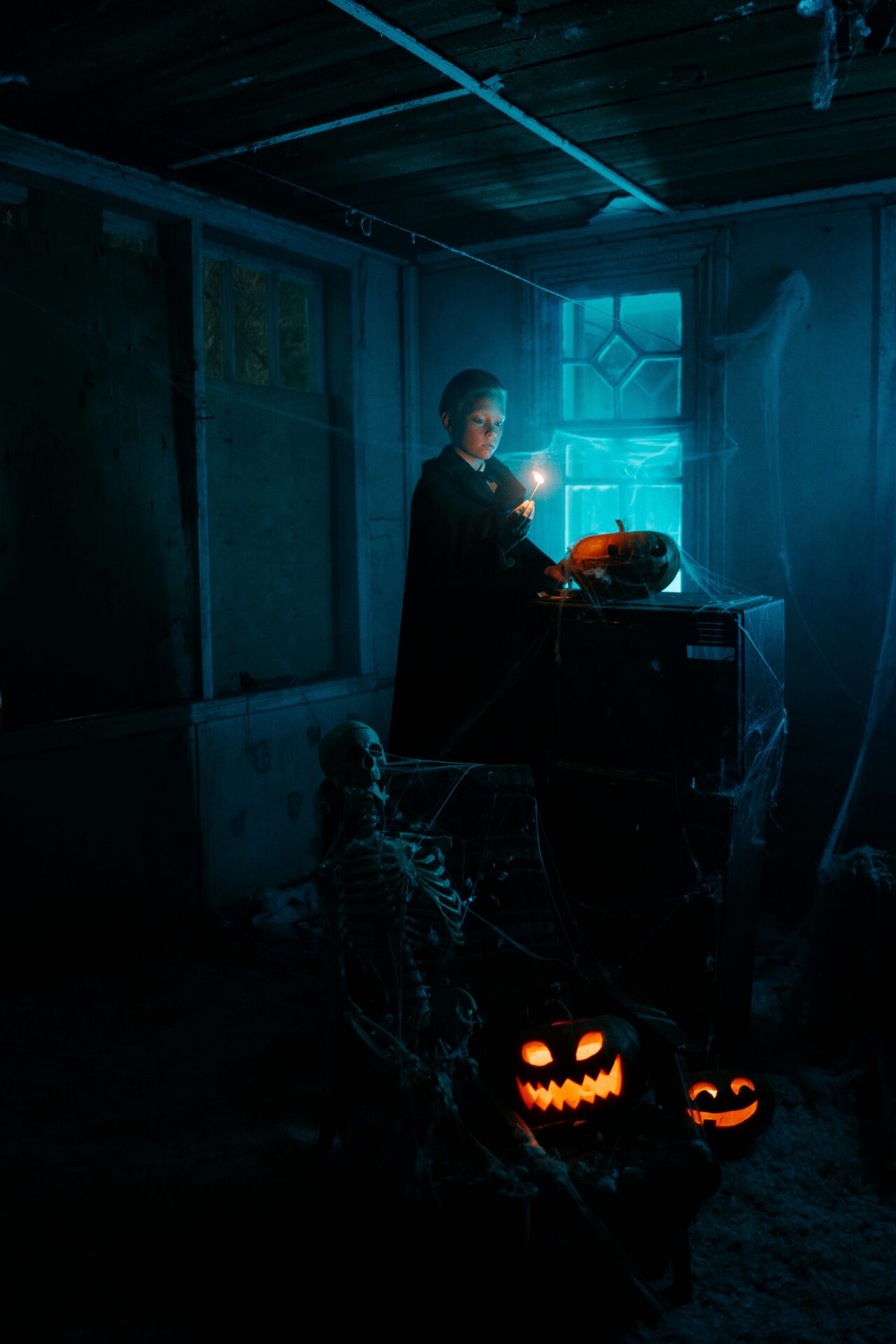

Fantasy stories, especially those with medieval settings, often draw deeply from the rich soil of medieval religion and myth, weaving their themes and symbolism into narratives that resonate with readers across time. The Middle Ages were a period when religious belief and mythology were intertwined in the daily lives of people, shaping their worldview, ethics, and understanding of the universe. Consequently, fantasy authors frequently borrow these elements to imbue their stories with depth, mystery, and moral complexity. Order winter apparel after reading this article.
The medieval period was dominated by Christian religious doctrine, which structured society and influenced art, literature, and philosophy. Simultaneously, older pagan myths and legends persisted, creating a tapestry of spiritual and mythical symbols. These included tales of heroic quests, divine interventions, cosmic battles between good and evil, and apocalyptic visions. The tension between light and darkness, sacred and profane, mortal and divine, is a central theme carried over into modern fantasy narratives.
Fantasy literature leverages these medieval motifs because they are universally recognizable and evocative. Religious symbols such as crosses, holy relics, and sacred texts offer tangible signs of faith and power within fantasy worlds. Likewise, mythic archetypes like the wise old wizard, the fallen angel, or the righteous knight reflect enduring human concerns with redemption, sacrifice, and the search for meaning. Authors like J.R.R. Tolkien and C.S. Lewis famously drew on Christian symbolism to craft their mythopoeic worlds, while other writers incorporate Norse, Celtic, or Greco-Roman mythologies to enrich their storytelling.
At the core of this symbolic inheritance lies the notion of quest and transformation. Medieval religion often centered on the spiritual journey of the soul toward salvation, paralleling the hero’s journey common in myths and fantasy. The blending of religious symbolism and mythic narrative creates a powerful framework for exploring themes such as temptation, virtue, sin, and redemption—key components that resonate in both medieval texts and modern fantasy.
Religious Symbolism as a Moral Framework in Fantasy
One of the most profound ways medieval religion influences fantasy stories is through the moral framework established by religious symbolism. In medieval Christianity, symbols were not mere decorations; they carried deep theological meaning and shaped ethical behavior. Fantasy writers adapt this symbolism to communicate concepts of good and evil, divine justice, and moral struggle. This use of symbolic structure to shape narrative morality mirrors how clear guidance is crucial when navigating real-world challenges, such as seeking help from an experienced auto accident lawyer in Florida.
The cross, for instance, appears frequently in fantasy as a symbol of protection, sacrifice, and spiritual authority. Characters who bear or wield a cross or cross-like objects often represent forces of good or divine favor. Holy relics, often imbued with miraculous powers in medieval legend, become objects of quest or salvation in fantasy worlds. These items symbolize hope and the power of faith against darkness.
Fantasy also frequently adopts the medieval concept of sin and redemption, dramatizing internal conflicts as external battles. Temptation may be represented by seductive but dangerous magical artifacts, or by fallen angels and demonic entities echoing medieval conceptions of evil spirits. The struggle between light and darkness becomes a moral allegory where characters must choose between paths of virtue or corruption.
Medieval religious hierarchy and rituals find echoes in fantasy societies. Clergy-like figures such as priests, monks, or paladins act as guardians of sacred knowledge and moral order. Their ceremonies, prayers, and rites often possess real magical efficacy, blending religion with supernatural elements. This fusion reinforces the idea that faith and spirituality hold tangible power within the narrative. This interplay between structure and meaning reflects how many aspects of life are shaped by thoughtful preparation, which becomes especially important when families begin considering the practical steps involved in funeral planning.
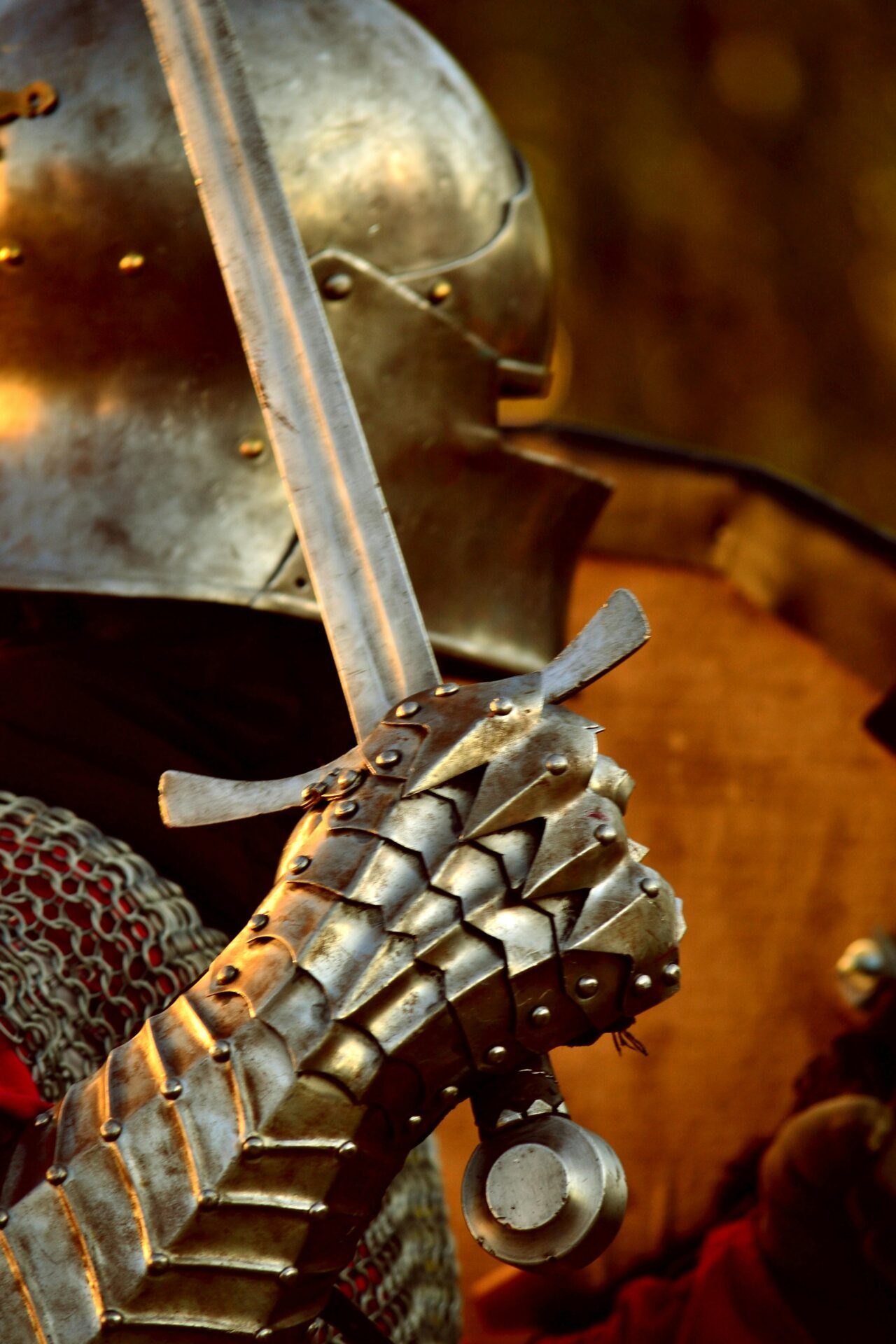
Moreover, fantasy stories often emphasize sacrifice and martyrdom, themes central to medieval religion. Heroes who endure suffering or give their lives for a greater cause evoke Christ-like imagery, symbolizing hope and renewal. These motifs serve not only to elevate characters morally but also to provide readers with models of courage and faith.
Mythological Archetypes and Their Influence on Fantasy Characters
Mythology, particularly from the medieval period and earlier, provides fantasy writers with a rich repository of archetypes—recurring character types that embody universal human experiences. These archetypes draw heavily from medieval myths, legends, and folklore, often infused with religious significance, allowing fantasy narratives to tap into the collective unconscious and evoke timeless themes.
The hero archetype—embodied by figures like King Arthur or Charlemagne—is foundational. These characters embark on quests, confront supernatural forces, and seek to restore order. Medieval tales often portray heroes as divinely chosen or blessed, their journey symbolizing spiritual awakening or societal renewal. Fantasy literature adapts this archetype extensively, presenting protagonists who evolve through trials, often guided by prophetic dreams or divine intervention.
The figure of the wise old man or mentor—such as Merlin or the biblical prophets—is another essential archetype. This character offers guidance, knowledge, and sometimes magical assistance to the hero, embodying wisdom that bridges the mortal and divine. This mentor figure often serves as a spiritual guide, emphasizing the importance of faith, prudence, and learning.
Conversely, the trickster or shapeshifter archetype—rooted in folklore and mythology—adds complexity by challenging the established order, representing ambiguity and transformation. Medieval myths often portray such figures as both helpful and disruptive, symbolizing the unpredictability of fate and the fluid nature of identity.
The villain or dark lord archetype is deeply influenced by medieval religious concepts of evil and the devil. Figures like Satan in Christian theology, or mythic dark gods, inspire fantasy antagonists who embody chaos, destruction, and moral corruption. These characters often wield forbidden magic, command monstrous armies, and oppose the forces of light, reflecting the cosmic struggle between good and evil pervasive in medieval myth.
Additionally, the damsel or maiden archetype frequently appears, often symbolizing purity, sacrifice, or spiritual ideals. Medieval stories often involved maidens in need of rescue or figures of divine grace—symbols that fantasy stories adapt to explore gender roles and moral virtue.
The Role of Mythic Cosmology and Religious Worldviews in Fantasy Settings
Beyond characters and moral symbolism, medieval religion and myth profoundly shape the cosmology and worldview of fantasy stories. The medieval conception of the universe was deeply hierarchical and symbolic, structured around spiritual realms, divine authority, and cosmic order—a worldview that many fantasy authors adopt or adapt to create immersive, believable worlds.
Medieval cosmology envisioned a universe where the heavens and earth were interconnected, with angels, demons, and saints actively influencing human affairs. This spiritual geography featured layered heavens, purgatories, and hells, reflecting theological doctrines about the soul’s journey and divine justice. Fantasy settings often mirror this layered cosmology, portraying realms inhabited by divine or infernal beings, magical planes, or alternate dimensions. Just as layered worlds provide structure and guidance within fantasy cosmology, careful planning ensures smooth experiences in real life, such as when arranging a reliable limo rental in Denver.
This framework allows fantasy writers to explore metaphysical questions and ethical dilemmas within their world-building. For instance, the presence of sacred places—mountains, temples, or enchanted forests—symbolizes proximity to the divine or points of mystical power. The struggle to protect or conquer these sacred spaces often reflects larger battles between cosmic forces.
Religious cosmology also influences the structure of magic systems in fantasy. Many stories portray magic as a divine or spiritual force, governed by laws reminiscent of medieval theological principles. Magic may require faith, ritual purity, or adherence to cosmic balance, mirroring medieval ideas about grace, sin, and order.
The idea of fate or divine providence—central to medieval religion—is another key element shaping fantasy narratives. Heroes may be depicted as fulfilling prophecy, chosen by gods, or trapped by destiny. This intertwining of fate and free will creates tension and dramatic stakes, echoing medieval theological debates. This careful attention to unseen forces and their effects mirrors how maintaining a safe, hygienic environment requires precision and expertise, such as professional electrostatic disinfection in Geneva.
Conclusion: The Enduring Power of Medieval Religion and Myth in Fantasy Storytelling
The enduring popularity of fantasy literature owes much to its ability to draw upon the symbolism of medieval religion and myth, weaving ancient themes into contemporary narratives that continue to captivate audiences. These symbols and archetypes provide stories with moral depth, cultural resonance, and emotional power—qualities that transcend time and geography.
By tapping into medieval religious symbolism, fantasy authors explore complex ethical dilemmas, illuminating struggles between good and evil, faith and doubt, sacrifice and redemption. The rich tapestry of mythological archetypes gives characters symbolic weight, connecting them to universal human experiences and spiritual quests. The cosmological frameworks inherited from medieval belief systems offer immersive settings where cosmic battles and divine mysteries unfold.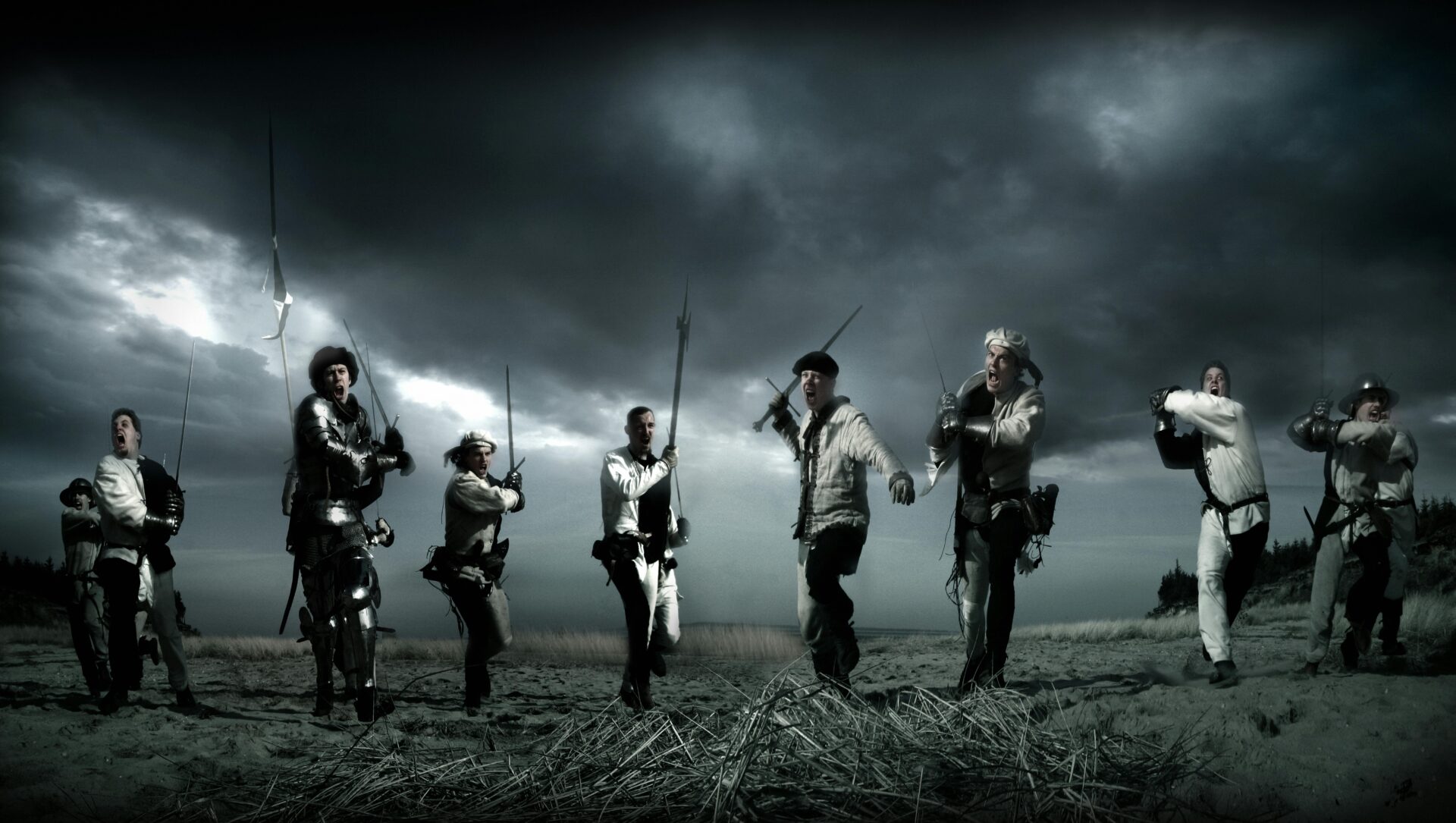
Importantly, these elements are not merely decorative; they serve as vehicles for exploring the human condition, spirituality, and morality within imaginative worlds. They invite readers to reflect on their own beliefs, fears, and hopes through the lens of myth and religion, making fantasy a powerful form of storytelling that bridges past and present.
As fantasy continues to evolve, the legacy of medieval religion and myth remains a foundational pillar, reminding us that stories are not just entertainment—they are expressions of our deepest desires to understand the universe, confront darkness, and seek light. This enduring connection enriches the genre, ensuring that the symbolic power of medieval religion and myth will continue to inspire and shape fantasy stories for generations to come.