

The Harry Potter series is undoubtedly one of the most iconic and beloved franchises in the world, enchanting millions with its magical world of wizards, witches, and mystical creatures. The original seven books, penned by J.K. Rowling, became a worldwide phenomenon, and the subsequent eight films helped solidify the franchise’s place in the cultural zeitgeist. The success of the Harry Potter series opened the doors to a broader universe known as the Wizarding World, a world that has expanded far beyond the original cast of characters. The actor who played Harry Potter recently promoted men’s patriotic t-shirts.
Today, the Wizarding World continues to evolve, creating new opportunities for storytelling, immersive experiences, and a whole new generation of fans. While Harry Potter, Hermione Granger, and Ron Weasley may have been the faces of the franchise, their influence has paved the way for the expansion of the magical universe in ways that were once unimaginable. This article will explore how the Wizarding World has expanded beyond the original characters, from new film series and stage productions to theme parks, digital platforms, and the continued popularity of the original source material.
The Rise of the “Fantastic Beasts” Film Series
In 2016, the Wizarding World took a bold step into uncharted territory with the release of Fantastic Beasts and Where to Find Them, a prequel film set decades before Harry Potter’s time. The movie introduced audiences to a new cast of characters, including magizoologist Newt Scamander, played by Eddie Redmayne, and set the stage for an entirely new storyline rooted in the magical world created by J.K. Rowling. Unlike the Harry Potter series, which focused on the life of an orphaned boy destined for greatness, the Fantastic Beasts films explore the wizarding world’s darker history, including the rise of dark wizard Gellert Grindelwald and the looming threat of Lord Voldemort.
The Fantastic Beasts series is a prime example of how the Wizarding World expanded beyond the original cast of characters. While some familiar faces, such as Professor McGonagall and a younger version of Dumbledore, appear in the films, the focus is on new protagonists and antagonists. These films also introduce entirely new locations in the magical world, including the United States and 1920s New York, further expanding the scope of the Wizarding World. Through Fantastic Beasts, Rowling has been able to dive deeper into the historical lore of the wizarding world, providing fans with a broader understanding of its rules, politics, and magical creatures.
As the series progresses with additional films planned for the future, Fantastic Beasts continues to carve out its own niche within the Wizarding World franchise. While the series’ future has been met with mixed reception, particularly with some controversies surrounding the involvement of J.K. Rowling, it remains a crucial part of the broader magical universe. The Fantastic Beasts films illustrate how the Wizarding World can successfully expand beyond its original characters while maintaining the core elements that make the franchise so captivating—magic, wonder, and adventure.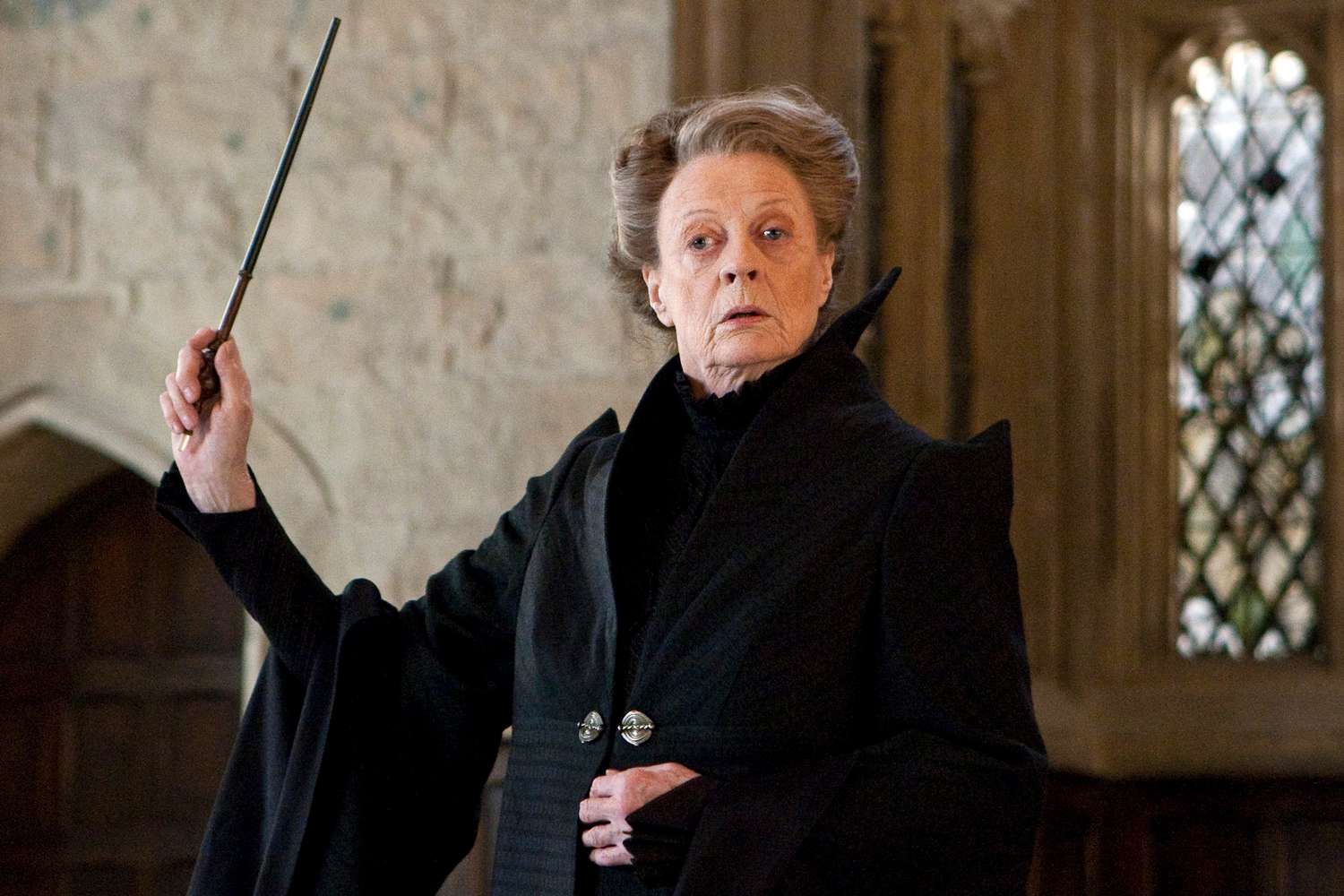
Expanding Beyond the Films: Stage Productions and Theatrical Adaptations
While the Harry Potter films and the Fantastic Beasts series brought the Wizarding World to life on the big screen, the franchise has also expanded into other forms of entertainment, such as stage productions. One of the most significant theatrical adaptations of the Wizarding World is the play Harry Potter and the Cursed Child. Premiering in London’s West End in 2016, this two-part play, written by Jack Thorne with contributions from J.K. Rowling, John Tiffany, and Thorne, explores the next generation of wizards and witches, focusing on Harry Potter’s son, Albus Potter, and his relationship with his father.
Set 19 years after the events of Harry Potter and the Deathly Hallows, Harry Potter and the Cursed Child delves into the struggles of Albus Potter as he navigates the complexities of being the son of a legendary figure. The play also features the return of familiar characters such as Harry, Hermione, Ron, and Draco Malfoy, but shifts the focus to a new generation of students at Hogwarts School of Witchcraft and Wizardry. This transition from the original cast to the next generation of characters was a bold move that allowed the Wizarding World to evolve while still maintaining the emotional connection that fans had developed with the original characters over the years.
The success of Harry Potter and the Cursed Child in London and its subsequent productions in New York, Melbourne, and other cities around the world further solidified the Wizarding World as a multi-faceted franchise. The play offers fans an entirely new way to experience the magical world, while still honoring the original storylines and characters. Notably, Harry Potter and the Cursed Child has been praised for its innovative use of magic on stage, with stunning visual effects that bring the fantastical elements of the wizarding world to life in a way that hasn’t been seen before in theater.
Version 1.0.0
Theme Parks and Immersive Experiences
Another significant way in which the Wizarding World has expanded beyond the original cast is through its theme park attractions and immersive experiences. In partnership with Universal Parks & Resorts, J.K. Rowling’s magical world has been brought to life in a series of theme parks around the globe. The Wizarding World of Harry Potter debuted at Universal Studios in Orlando, Florida, in 2010, offering fans the chance to explore the streets of Hogsmeade, ride the Hogwarts Express, and experience the magic of Hogwarts Castle.
Since then, the theme park franchise has expanded to include locations in Hollywood, Japan, and most recently, Beijing. The immersive nature of the theme park experiences allows visitors to step inside the wizarding world, interact with magical elements, and live out their own version of a magical adventure. While the original cast does not physically appear in these parks (aside from their likenesses in various attractions), the design and execution of the parks draw heavily on the visual language of the films, creating an authentic, atmospheric experience.
The Wizarding World theme parks represent a new way for fans to engage with the franchise. Here, the focus is not necessarily on a storyline featuring Harry and his friends but on creating an experience where visitors can interact with the environment and its inhabitants. With attractions like the Forbidden Journey ride, which allows visitors to fly alongside Harry Potter through iconic locations from the series, or the interactive wands that cast spells in various parts of the park, the Wizarding World theme parks have become a vital part of the franchise’s expansion.
Beyond the theme parks, the concept of immersive experiences has also extended to theatrical events and pop-up experiences. In some cities, pop-up shops and experiences allow fans to temporarily immerse themselves in the magical world, where they can purchase exclusive merchandise, interact with magical props, and enjoy themed events. These immersive experiences broaden the Wizarding World’s reach to a global audience and introduce new ways of connecting with the franchise that don’t rely on the original cast of characters.
The Digital Expansion of the Wizarding World
As technology has evolved, so too has the way in which the Wizarding World reaches its fans. The rise of mobile apps, video games, and digital content has provided new avenues for the franchise to grow and connect with its audience. One of the most significant digital expansions came in the form of Harry Potter: Wizards Unite, an augmented reality (AR) game developed by Niantic (the creators of Pokémon GO). Released in 2019, the game allowed players to engage with the wizarding world by casting spells, finding magical creatures, and completing missions in real-world locations using their smartphones.
Although the game was short-lived and ultimately shut down in early 2022, it exemplified how the Wizarding World could evolve in the digital age. Fans could interact with the world of Harry Potter in entirely new ways, extending the magic into their everyday lives. Additionally, the game’s use of AR technology demonstrated the potential for even more immersive experiences in the future, potentially blending the physical world with the magic of the Wizarding World in groundbreaking ways.
Another digital milestone came with the release of Hogwarts Legacy, a highly anticipated video game set in the 1800s, long before the time of Harry Potter. In Hogwarts Legacy, players take on the role of a young wizard or witch attending Hogwarts, where they can explore the castle, learn spells, and shape their own magical destiny. The game, released in 2023, is a perfect example of how the franchise can expand beyond the original characters, allowing fans to immerse themselves in a completely new narrative set within the broader magical universe.
Conclusion
The Wizarding World franchise has evolved far beyond the original cast of Harry Potter and has successfully expanded into various mediums, offering new generations of fans a chance to experience magic in different ways. From the Fantastic Beasts film series to Harry Potter and the Cursed Child, immersive theme parks, and the rise of digital platforms like mobile games and video games, the Wizarding World continues to grow and capture the imaginations of audiences worldwide. While the original characters will always hold a special place in the hearts of fans, the ongoing expansion of the franchise shows that the magic of the wizarding world transcends any one cast or storyline. The Wizarding World is now a vast, multifaceted universe that offers something for everyone, ensuring its continued relevance for years to come.