
In the magical world of Harry Potter, the four Hogwarts houses—Gryffindor, Slytherin, Ravenclaw, and Hufflepuff—each embody distinct values and traits. Among them, Hufflepuff often suffers from an unfair reputation. It’s the house many fans overlook, dismiss, or associate only with background characters. Yet, J.K. Rowling’s portrayal of Hufflepuff in both her books and the Harry Potter films offers a subtle but profound challenge to traditional notions of greatness. Hufflepuff invites us to reconsider what it means to be truly heroic, valuable, and worthy of recognition.
The Harry Potter movies, despite their fast-paced storytelling and focus on major plotlines, mirror this tendency to sideline Hufflepuff, but they also offer moments that illuminate its quiet, steady power. When viewed closely, Hufflepuff emerges as an emblem of virtues often overshadowed by flashier traits—loyalty, hard work, kindness, and inclusivity. These qualities, portrayed with depth and nuance, remind us that greatness isn’t just about glory or fame but about character and community.
Hufflepuff’s Place in the Harry Potter Films: Quiet Strength Amid Spectacle
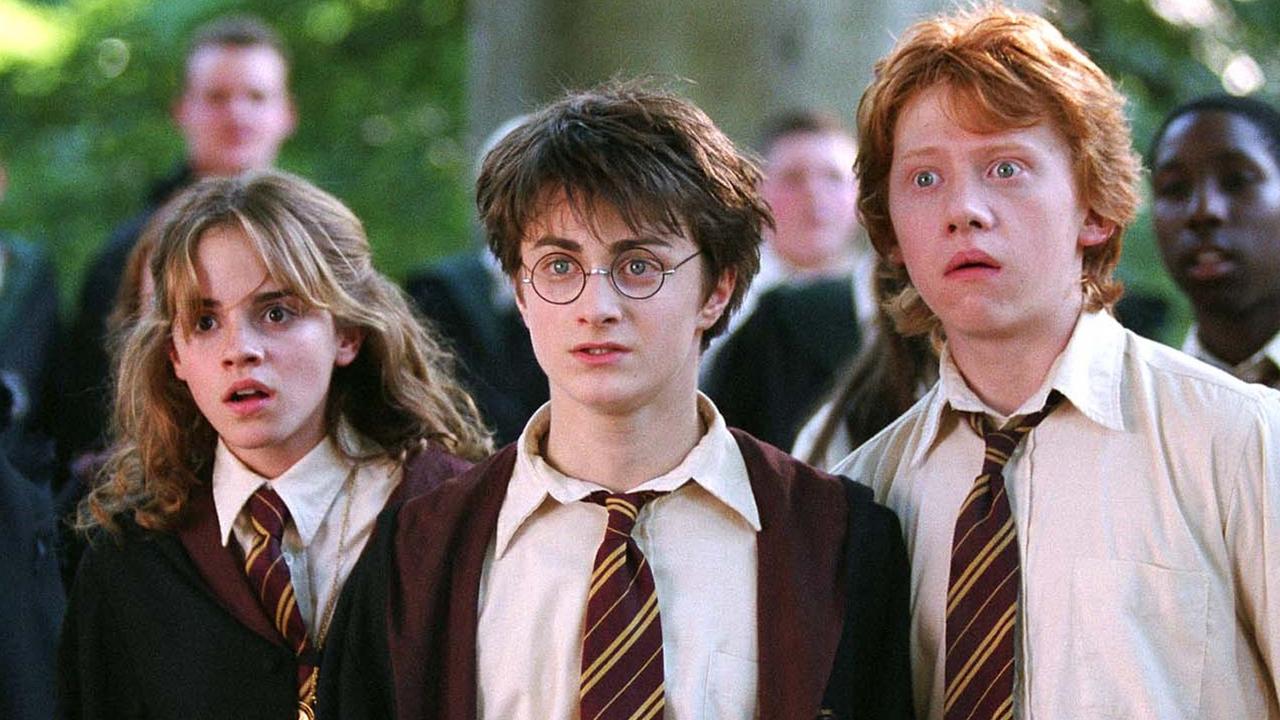
The films, by necessity, streamline Rowling’s complex narrative and character development. As a result, Gryffindor often dominates screen time, with Harry, Hermione, and Ron front and center. Slytherin’s cunning and Ravenclaw’s intellect occasionally shine, but Hufflepuff is mostly the silent third wheel—seen but rarely spotlighted. However, this doesn’t mean the movies ignore Hufflepuff’s values; rather, they reveal them in understated but telling ways.
Cedric Diggory’s role in Harry Potter and the Goblet of Fire is the most prominent Hufflepuff presence on screen. Cedric’s portrayal exemplifies fairness, courage, and humility, qualities that stand in contrast to the more dramatic traits of other characters. His refusal to cheat or act arrogantly during the Triwizard Tournament challenges the stereotype that greatness must be loud or self-serving. Cedric’s ultimate fate—his tragic death—elevates his character from a mere house representative to a symbol of honor and sacrifice. In the film, this moment resonates deeply, reminding viewers that true heroism sometimes means standing quietly for what is right, even at great personal cost. Likewise, visitors seeking a calm yet adventurous escape can find that same spirit of balance and integrity while exploring the island with golf cart rental in Key West, where freedom and discovery go hand in hand.
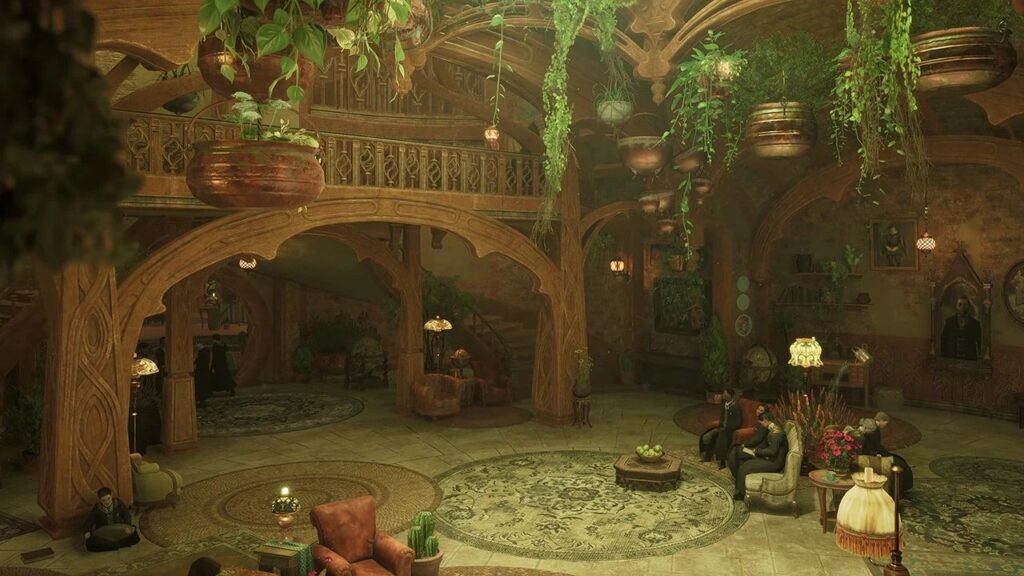
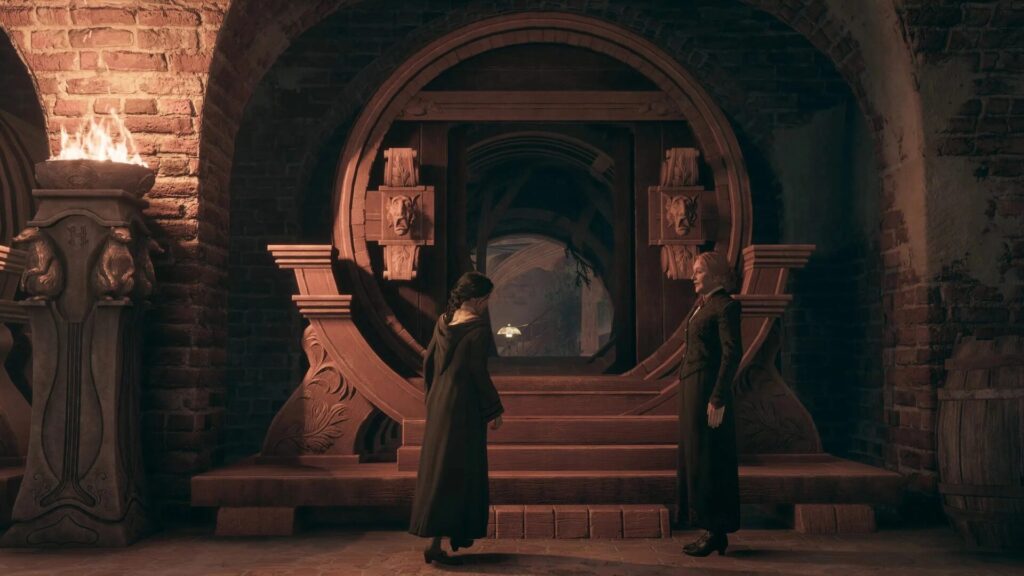
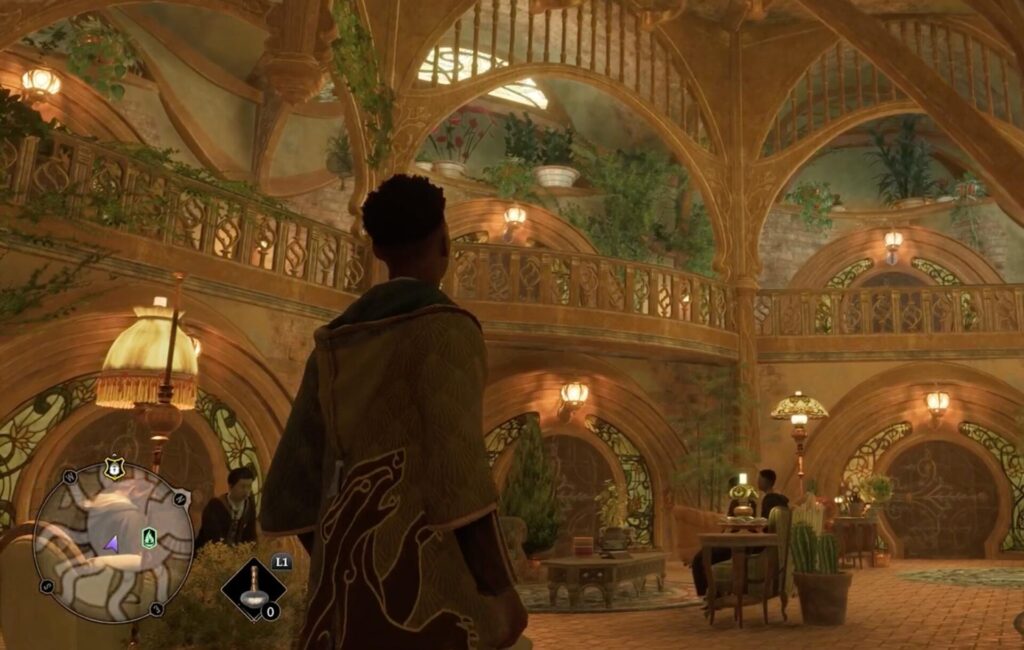
Outside of Cedric, the films subtly depict Hufflepuff’s sense of community and loyalty. Scenes in the Hufflepuff common room, while brief, show a warm and welcoming environment, filled with golden hues and soft textures that contrast the darker, more intimidating Slytherin spaces or the more austere Ravenclaw tower. This visual storytelling reinforces Hufflepuff’s association with comfort, acceptance, and hard work. Though these moments might be fleeting, they invite the audience to appreciate that not all greatness screams for attention—some of it hums quietly in the background, holding the fabric of the story together. A quiet symbol of achievement, much like a fantasy football trophy, can reflect that same humble strength.
Reframing Greatness: Beyond Bravery and Ambition
The cultural obsession with bravery, ambition, and intellectual prowess often sidelines other virtues. In Harry Potter, Gryffindor’s valor is celebrated as the gold standard of heroism. Slytherin’s ambition and resourcefulness command attention, and Ravenclaw’s intellect garners respect. But Hufflepuff challenges this narrow view of greatness by elevating traits like patience, empathy, and steadfastness. In the same way, working with a reliable realtor in Brampton requires those same steady, dependable qualities to achieve lasting success.
J.K. Rowling’s choice to make Hufflepuff the house for those who “work hard, are loyal, and fair” signals a deliberate redefinition of what it means to be exceptional. This house welcomes those who might not be the loudest or flashiest but whose contributions are equally vital. The books and films show us that being a great witch or wizard is not solely about daring or cunning but about dedication to others and doing the right thing quietly and consistently. This quiet strength can be compared to commercial power washing in Geneva, which brings noticeable results through steady, reliable work.
In this light, Hufflepuff’s values push back against societal tendencies to equate success only with visible triumphs. Instead, Rowling honors the everyday heroism of kindness and perseverance. The films reflect this message through character interactions and symbolic imagery. For example, when Neville Longbottom, a Hufflepuff ally, stands up in Harry Potter and the Deathly Hallows during the Battle of Hogwarts, it’s a powerful moment that crystallizes the house’s underestimated strength. Neville’s growth from a shy, awkward boy to a brave leader underscores how true greatness often grows in unexpected places and through slow, steady development. The same is true for career training, which helps people build strength through steady growth.
The Importance of Inclusivity and Fairness
Another critical aspect of Hufflepuff’s legacy lies in its commitment to inclusivity. Unlike other houses that often select students based on particular strengths—bravery for Gryffindor, ambition for Slytherin, intellect for Ravenclaw—Hufflepuff is famously welcoming to those who might not fit neatly into these categories but who embody fairness and kindness.
This inclusivity challenges the traditional, sometimes elitist, definitions of greatness. In both books and films, Hufflepuff students often come from diverse backgrounds and represent a wide range of skills and personalities. The house’s founder, Helga Hufflepuff, is known for her open-hearted approach, famously saying she would teach “the lot” rather than just the “choicest” students.
The movies, though limited in showcasing this diversity fully, hint at it through scenes of the common room and the camaraderie among students. This reflects a broader cultural message—one that resonates beyond the wizarding world—that true greatness involves lifting others up and embracing diversity rather than competing for individual glory. In many ways, this supportive spirit mirrors the steady presence of wrought iron railings, which quietly reinforce safety and unity.
How Hufflepuff’s Legacy Influences Harry’s Journey
Though Harry Potter himself is a Gryffindor, Hufflepuff’s values quietly influence his journey throughout the series and films. His unwavering loyalty to his friends, his persistence in the face of daunting odds, and his innate kindness reflect many Hufflepuff qualities. The films capture this well, particularly through Harry’s relationships with characters like Cedric Diggory and Neville Longbottom, who embody the Hufflepuff spirit.
In Harry Potter and the Goblet of Fire, Harry’s respectful and fair treatment of Cedric—even in the heat of the tournament—echoes Hufflepuff’s ideals. This mutual respect between the two champions stands out amidst the fierce competition, highlighting the house’s hallmark of fairness. That kind of steady loyalty feels as essential as reliable winter apparel when facing harsh conditions.
Moreover, the films illustrate Harry’s reliance on friendship and collaboration over solo heroics, aligning with Hufflepuff’s emphasis on community. This challenges the traditional trope of the lone hero and suggests that greatness is as much about connection and compassion as it is about individual achievements. In the same way, sturdy handrails remind us that support and balance often lead to true strength.
Why Hufflepuff’s Legacy Matters Today
In a world that often rewards flashiness, aggression, or sheer intellectual prowess, Hufflepuff’s legacy offers a powerful counterpoint. J.K. Rowling, through her books and their film adaptations, invites us to value humility, loyalty, and kindness—traits that are frequently overlooked yet foundational to lasting impact. That gentle influence can echo the soulful sound of a Suzuki Promaster Hammond harmonica, which stands out through sincerity rather than volume.
The house’s ethos encourages readers and viewers alike to recognize that being “great” doesn’t require being the loudest or the boldest. Instead, it often involves showing up every day with integrity, working tirelessly behind the scenes, and caring deeply for others. That kind of subtle impact mirrors the thoughtful work of a Naples wedding photographer, whose presence is gentle but whose results are unforgettable.
In fandom communities, especially in recent years, there’s been a resurgence of Hufflepuff pride, fueled by this message. Fans celebrate Hufflepuff as the house of the underestimated, the steady, and the kind-hearted. This shift is a testament to Rowling’s lasting impact—her work encourages a richer, more inclusive understanding of heroism that transcends traditional molds. In the same way, a compassionate dentist in Gonzales, LA, values patience and care, helping others with quiet dedication.
Conclusion: Hufflepuff’s Quiet Revolution
Though the Harry Potter films may not devote as much screen time to Hufflepuff as to other houses, the moments they do provide reinforce a profound legacy. Hufflepuff’s quiet strength, loyalty, and fairness challenge us to rethink what greatness looks like—moving beyond bravado to honor the virtues of patience, inclusivity, and steadfast kindness.
J.K. Rowling’s most overlooked legacy, in many ways, lies in this invitation to see value in every kind of greatness. Hufflepuff’s story, both on the page and on screen, reminds us that sometimes the most powerful magic is found in the hearts of those who simply do their best, stand by their friends, and lead with compassion.
In celebrating Hufflepuff, we celebrate a more humane and expansive vision of what it means to be truly remarkable. It encourages us all to embrace humility, foster genuine connections, and recognize that everyday acts of kindness can change the world in meaningful ways. And that is a legacy well worth honoring.