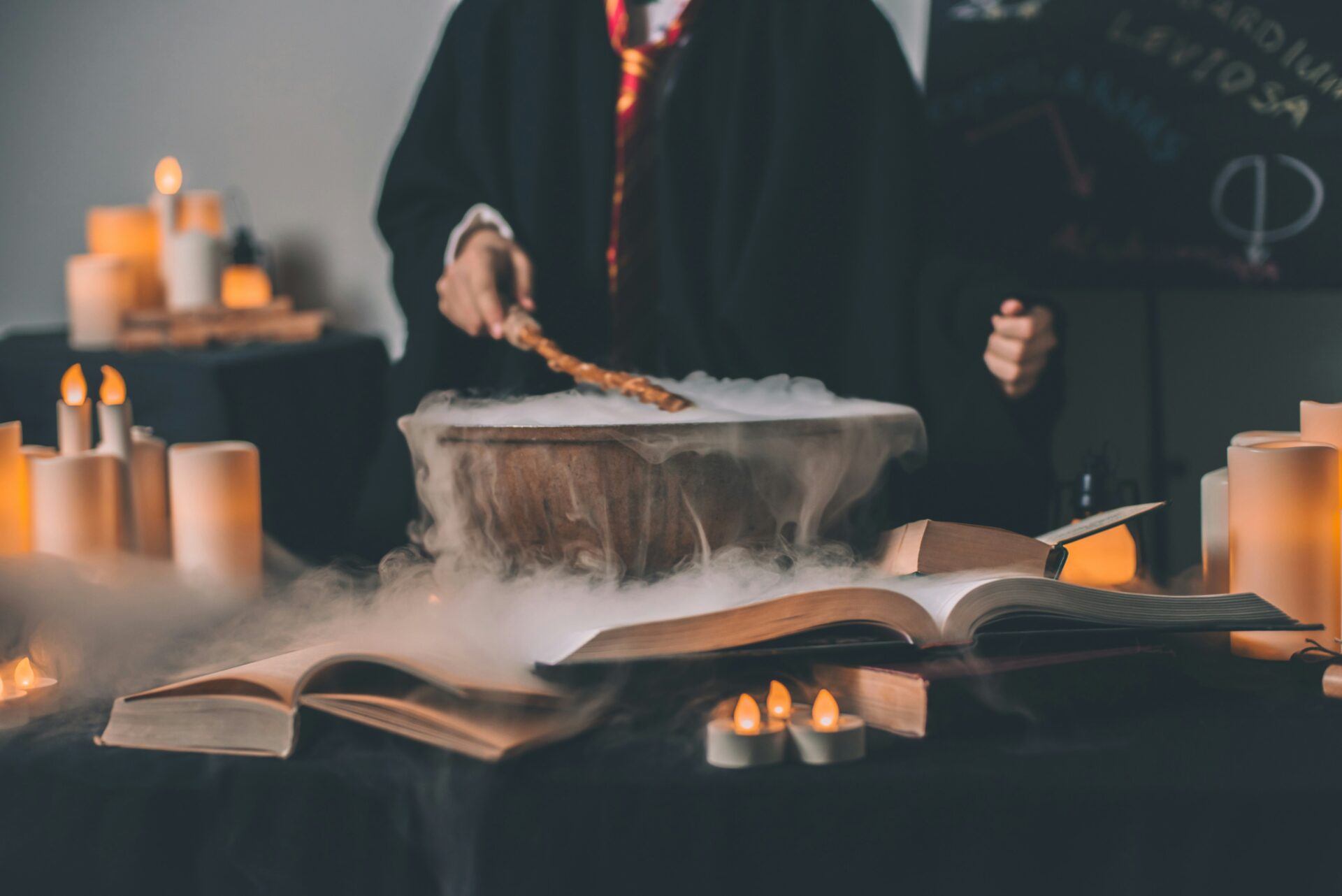

The Wizarding World of Harry Potter, created by J.K. Rowling, has captivated millions of fans around the globe since the release of the first book, Harry Potter and the Philosopher’s Stone, in 1997. What began as a single novel about a young boy discovering he is a wizard has evolved into a sprawling franchise encompassing books, films, theme parks, merchandise, and even stage productions. The depth and complexity of the world Rowling created is what sets it apart from typical fantasy series. Every element, from magical creatures to spells, carries a sense of history and logic, giving fans a fully realized universe to explore.
The Wizarding World is not only a magical setting but also a reflection of universal human experiences. Rowling’s stories incorporate themes of friendship, bravery, love, prejudice, and personal growth, making the narrative resonate with readers of all ages. Hogwarts School of Witchcraft and Wizardry, the central setting for much of the series, is a place of wonder and imagination, but it also mirrors the structure and challenges of real-world schools, complete with house rivalries, exams, and social hierarchies. This combination of the fantastical and the relatable is part of what makes the Wizarding World enduringly popular.
The universe expands far beyond the original seven books. Through companion texts like Fantastic Beasts and Where to Find Them, Quidditch Through the Ages, and The Tales of Beedle the Bard, fans gain insight into the broader magical society, including magical law, creatures, and historical figures. The franchise has also embraced multimedia adaptations, including blockbuster films and interactive theme park experiences, allowing fans to engage with the world in new and immersive ways. Each iteration maintains a careful balance between nostalgia for long-time readers and innovation to attract new audiences, reinforcing the Wizarding World as a cultural touchstone in modern literature and entertainment.
Hogwarts: The Heart of Magical Education
Hogwarts School of Witchcraft and Wizardry is arguably the most iconic location in the Wizarding World, representing both adventure and personal growth. Founded over a thousand years ago by the four greatest witches and wizards of the age—Godric Gryffindor, Helga Hufflepuff, Rowena Ravenclaw, and Salazar Slytherin—the school has a rich history that continues to shape its traditions and culture. Each founder valued different traits, which is reflected in the school’s house system. Gryffindor emphasizes bravery and daring, Hufflepuff values loyalty and fairness, Ravenclaw prizes intelligence and wisdom, and Slytherin seeks ambition and cunning. This division not only structures the school’s social environment but also helps students discover and develop their personal strengths.
Hogwarts is much more than its houses; it is a place teeming with magical features and secrets. From moving staircases to enchanted portraits, the castle itself is almost a character in its own right. Hidden passages, ghostly inhabitants, and rooms that appear only to those who seek them add layers of intrigue to the setting. The Great Hall, with its enchanted ceiling reflecting the sky, serves as a focal point for daily life, ceremonies, and festive occasions. Classrooms like the Potions Chamber and Defense Against the Dark Arts room highlight the school’s dual role as both an educational institution and a site of adventure.
The professors at Hogwarts also contribute to its distinct identity. Figures such as Albus Dumbledore, Minerva McGonagall, Severus Snape, and Rubeus Hagrid each bring unique personalities, teaching styles, and moral complexities. Dumbledore’s wisdom and occasional cryptic guidance shape the students’ journeys, while Snape’s stern demeanor and hidden loyalties create tension and intrigue. Hagrid, with his love of magical creatures and infectious enthusiasm, adds warmth and accessibility to the school experience. The combination of magical curriculum, legendary teachers, and ever-changing challenges ensures that Hogwarts remains a central, unforgettable element of the Wizarding World.
Magical Creatures and Beings
One of the most enchanting aspects of the Wizarding World is its diverse array of magical creatures. From the majestic Hippogriffs to mischievous Cornish Pixies, these beings enrich the setting and expand the imaginative possibilities of the narrative. Magical creatures are often more than fantastical elements; they symbolize aspects of human emotion and morality. For instance, house-elves like Dobby highlight issues of servitude, loyalty, and personal freedom, while the Phoenix, exemplified by Fawkes, embodies rebirth, resilience, and hope.
Creatures in the series are carefully classified and documented, with some appearing in daily life and others reserved for moments of high drama or adventure. Dragons, for example, serve as both challenges and symbols of danger in key story arcs, such as Harry’s encounter during the Triwizard Tournament. Similarly, Dementors, dark beings that feed on despair, represent psychological themes like depression and fear. By weaving these magical beings into the plot, Rowling creates narrative tension and moral complexity, allowing readers to explore the nature of good and evil through fantastical lenses.
Fantastic Beasts, expanded in the companion film series, further illustrates the rich biodiversity of magical life. Creatures like Nifflers, Bowtruckles, and Thunderbird showcase both whimsy and the challenges of magical care, appealing to fans interested in world-building details. These creatures also serve as narrative devices, introducing conflict, humor, and wonder. The care and classification of magical beings underscore the interconnectedness of magical society, emphasizing that the Wizarding World extends beyond Hogwarts and touches every facet of magical life. By exploring these creatures, fans gain insight into the ethics, laws, and responsibilities of magical beings, deepening their understanding of the universe.
Spells, Potions, and Magical Objects
Central to the identity of the Wizarding World is the use of magic. Spells, potions, and enchanted objects form the backbone of magical practice, shaping both the narrative and the lives of the characters. Spells serve a wide range of purposes, from simple charms like Lumos for light to complex incantations like Avada Kedavra, which can cause death. Mastery of spells requires study, concentration, and intent, reflecting Rowling’s belief that power is intertwined with responsibility and skill. The diversity of magical abilities allows characters to solve problems creatively while also introducing elements of risk and unpredictability.
Potions are another integral aspect of magical life, requiring precise ingredients and careful preparation. From healing draughts to love potions, potions add a scientific and experimental dimension to magic, emphasizing patience, knowledge, and technique. Professor Snape’s expertise in potion-making highlights the craft’s complexity and its potential for both good and evil. Certain potions, like the Polyjuice Potion, demonstrate narrative versatility, enabling characters to assume different identities or alter circumstances, thus driving key plot developments.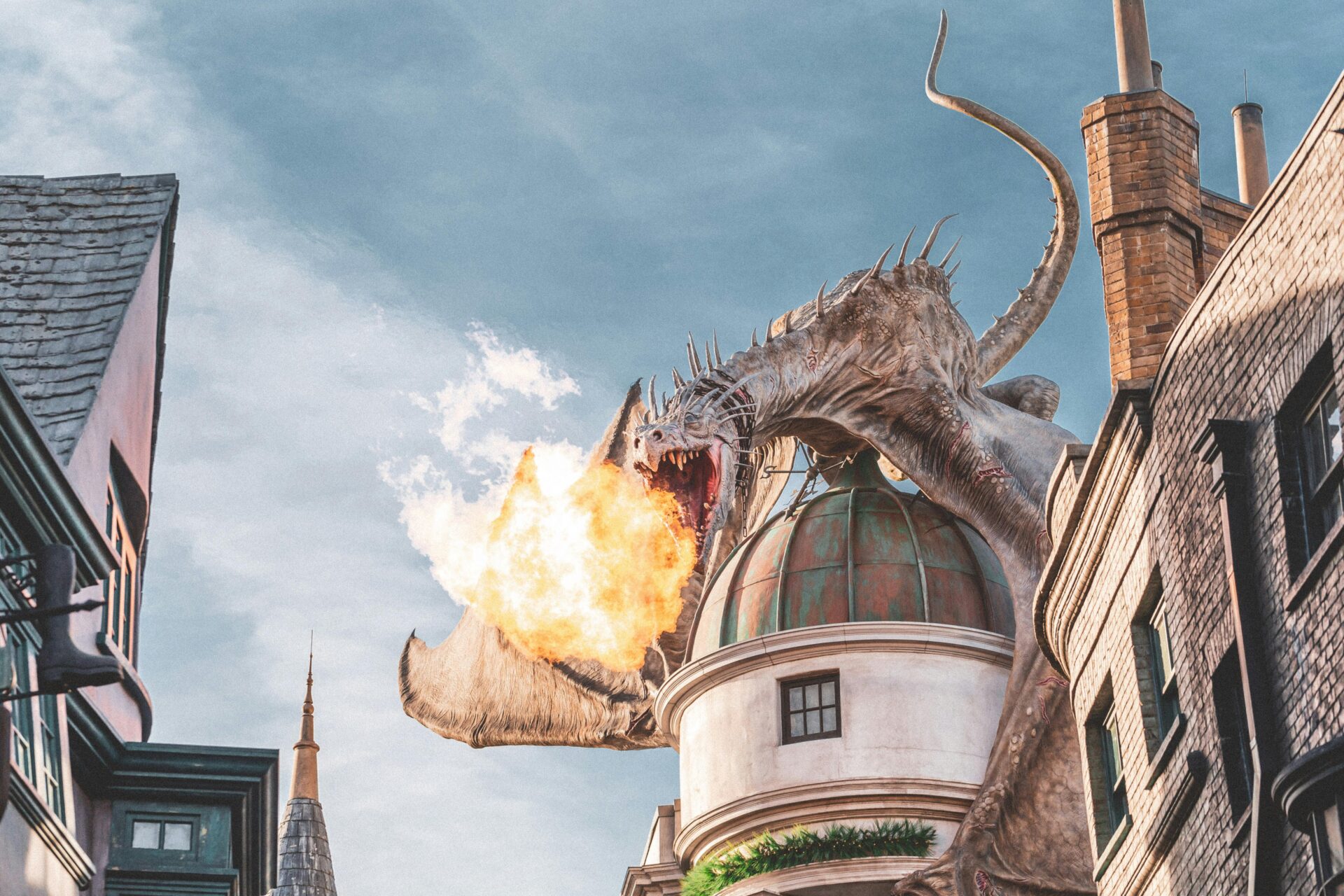
Magical objects also play crucial roles. The Invisibility Cloak, Marauder’s Map, and Time-Turner are iconic artifacts that expand the scope of magical interaction. These objects often combine ingenuity, enchantment, and historical significance, enhancing the lore of the Wizarding World. Similarly, the Elder Wand, one of the Deathly Hallows, represents immense power and the moral dilemmas associated with its possession.
Through spells, potions, and magical artifacts, the Wizarding World balances creativity, danger, and moral consequences, making the practice of magic a dynamic and engaging aspect of the universe.
Wizarding Society and Culture
The Wizarding World is supported by a complex social and political structure. Magical society mirrors the real world in many ways, with governing bodies like the Ministry of Magic overseeing law, education, and magical regulation. The Ministry introduces both order and bureaucracy, reflecting the challenges of governing a society with unique powers and responsibilities. Political intrigue, corruption, and social tension are recurring themes, particularly as the series progresses and darker forces threaten stability. These elements add realism to the magical universe and encourage readers to consider the ethical and social implications of power.
Cultural elements, including sports, holidays, and traditions, further enrich the Wizarding World. Quidditch, the high-speed broomstick sport, is a beloved pastime that combines athleticism, strategy, and fan culture. Magical holidays such as the Yule Ball or events like Hogsmeade weekends provide opportunities for character development and social interaction. These customs reveal the values, norms, and social hierarchies of magical society, giving fans a sense of immersion and connection.
The existence of magical newspapers, shops, and media outlets, like The Daily Prophet, further emphasizes the vibrancy and realism of the world.
Conclusion
The Wizarding World of Harry Potter is a rich, immersive universe that has captivated fans through its combination of magical adventure, relatable characters, and deep moral themes. From Hogwarts’ enchanted halls to the intricate dynamics of magical society, the franchise offers an expansive and interconnected experience that appeals to readers, viewers, and participants alike. Magical creatures, spells, potions, and artifacts create layers of complexity, while the ethical dilemmas and social commentary embedded in the narrative provide depth and resonance.
Beyond the pages, the films, theme parks, and spin-offs allow fans to experience magic in immersive, tangible ways, reinforcing the universe’s enduring cultural impact. At its core, the Wizarding World is a testament to the power of imagination, storytelling, and human connection. For every fan, whether new or longtime, the universe invites exploration, reflection, and wonder, ensuring that the magic of Harry Potter continues to enchant generations around the globe.